Your roof works quietly all year, shielding your home from rain, wind and heat. Because it sits out of sight, small faults often go unnoticed until they cause damage inside the house. By then, a minor repair may have grown into a much larger and more expensive job.
Knowing when to stop and call an expert can save you money and stress. If you are unsure who to contact, a reputable roofing company can inspect the roof, explain what is wrong and recommend a sensible plan of action. This article explains the signs that deserve attention and what to expect from a professional visit.
Warning Signs You Should Not Ignore
Some problems are easy to spot from the ground. Missing, cracked or curling tiles, sagging areas and damaged flashing around chimneys or vents all suggest the roof is no longer protecting your home as it should. Gutters full of debris, or granules collecting in the downpipes, can also point to general wear.
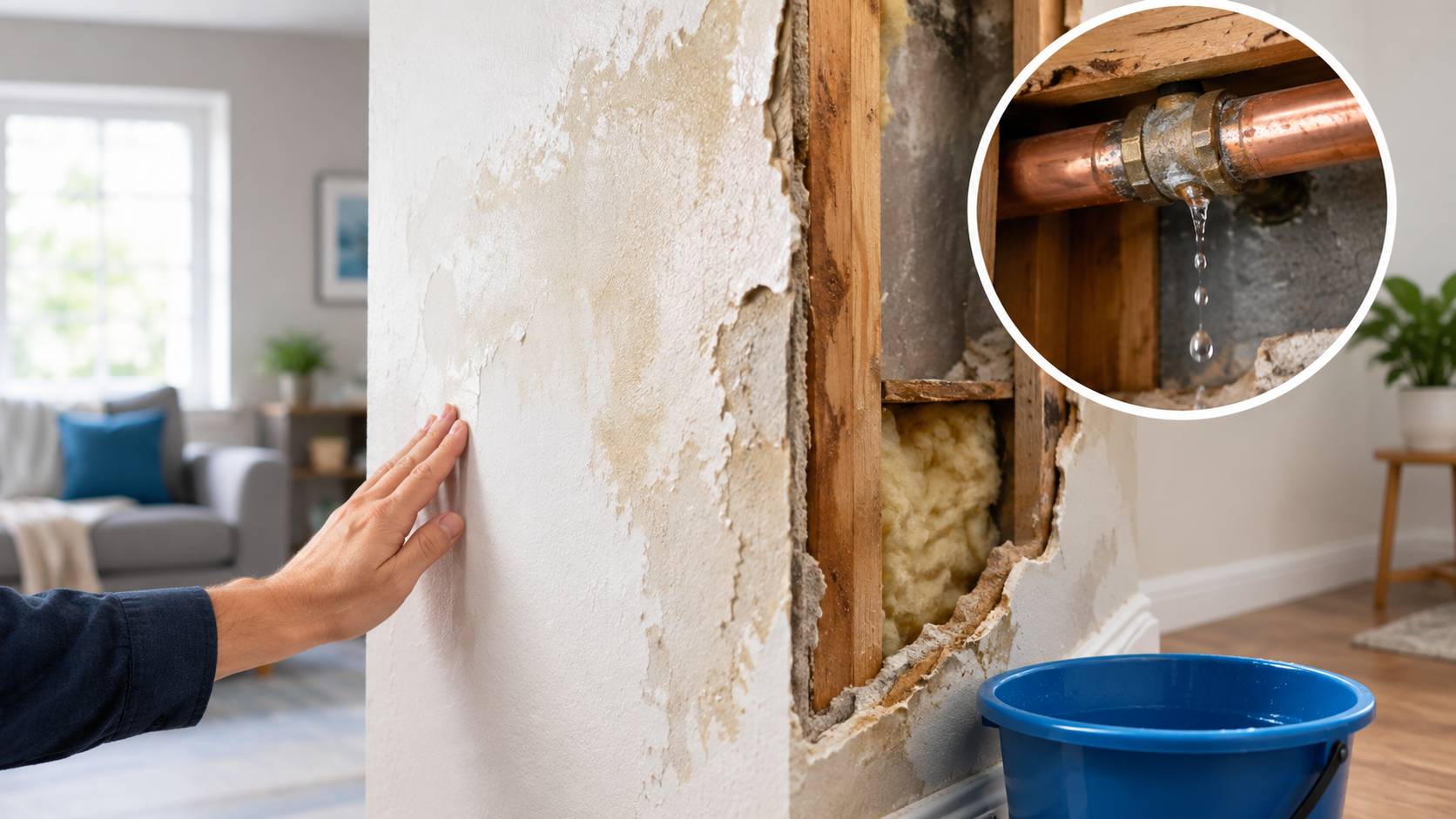
Inside the property, look for damp patches, peeling paint, musty smells or stains on ceilings and walls. Daylight showing through the loft boards is another clear warning. If you notice any of these, arrange a check with a roofing company rather than waiting to see whether the problem clears up by itself.
Why DIY Checks Have Limits
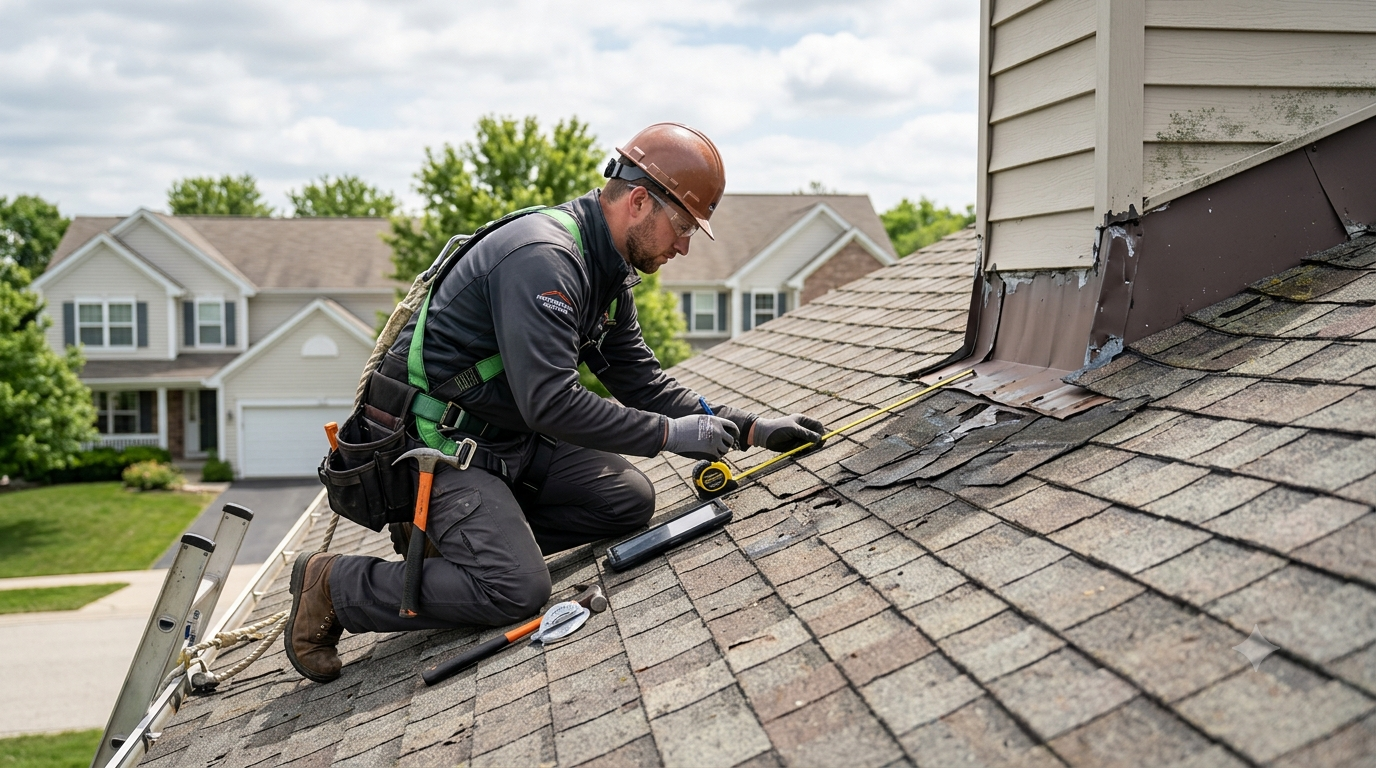
A quick look from the garden is useful, but it only shows part of the picture. Climbing a ladder or walking on the roof is risky, and it can also damage fragile tiles or loosen fittings. Professionals have the equipment and training to work at height safely.
Many faults are also hidden. Water can travel along timbers and appear far from the actual leak, while damaged underlay or poor ventilation rarely shows from below. A trained eye can trace the true cause, which helps ensure the right spot is repaired the first time.
What a Professional Inspection Involves
A thorough inspection normally covers the roof surface, ridge lines, flashing, gutters, fascias and any chimneys or vents. The inspector will usually check the loft as well, looking for damp, daylight and signs of poor airflow. This gives a complete view of both the outside of the roof and the structure beneath it.
Afterwards, you should receive a clear explanation of the findings, ideally with photographs and a written quote. Ask which issues are urgent and which can wait. A trustworthy inspector will separate essential repairs from optional extras and answer your questions in plain language.
Repair or Replace: Making the Right Decision
Small, localised faults such as a few slipped tiles or a worn seal around a vent can often be repaired quickly and affordably. Prompt action usually stops water from reaching insulation and timbers, where damage is harder and costlier to put right.
Replacement becomes worth considering when problems are widespread, repairs keep recurring or the roof is nearing the end of its expected life. Ask your contractor to explain why they recommend one option over the other, and consider seeking a second opinion for larger projects.
After Storms and Severe Weather
Strong winds, heavy rain and hail can loosen or break roofing materials even when the damage is not obvious. After severe weather, check for fallen debris, displaced tiles and new stains indoors, always staying safely on the ground while you do so.
Arrange an inspection as soon as it is practical, and take dated photographs for your records. These can be helpful if you need to make an insurance claim. Be cautious about anyone who knocks on your door unannounced and pressures you into a quick decision.
Simple Habits That Protect Your Roof
Routine care makes a real difference. Keep gutters clear, trim overhanging branches and remove moss or debris that traps moisture against the roof. It is also sensible to book a professional check at regular intervals, and again after any major storm.
Keep a record of inspections, repairs and guarantees in one place. A tidy file helps future contractors understand the history of your roof and can support insurance discussions or a future sale of the property.
Summary
Roofs rarely fail without warning. Missing tiles, ceiling stains, damp smells and storm damage all signal that it is time for an expert opinion. A professional inspection reveals hidden faults, and a clear written report helps you decide between repair and replacement with confidence.
Act early, keep good records and look after the roof through regular maintenance. Prompt attention is usually cheaper and less disruptive than waiting for a major failure, so treat every warning sign seriously and get it checked.