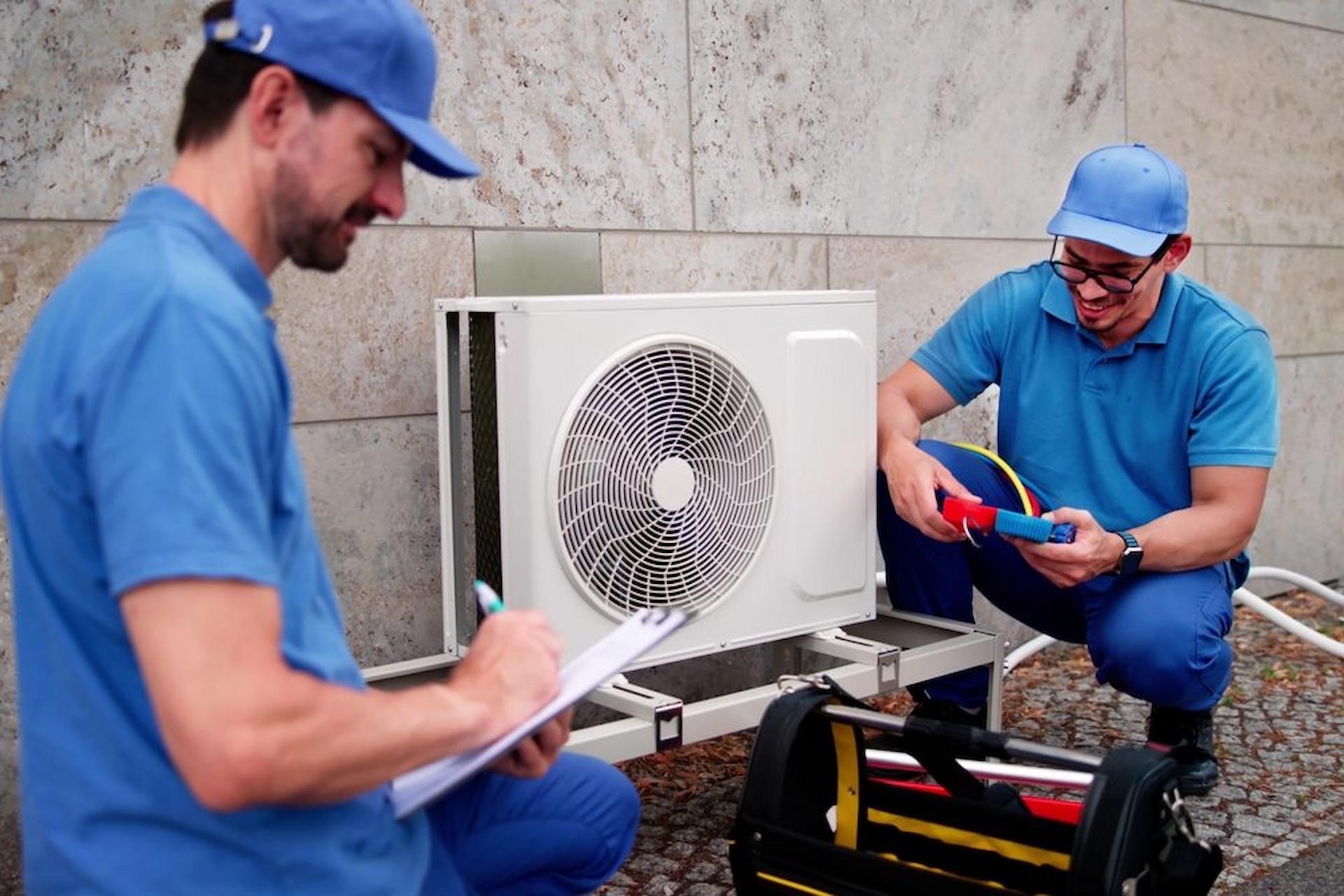
Does your upstairs feel too hot while the downstairs stays comfortable? Are guest rooms being heated or cooled even when nobody uses them? These are common problems in many homes with traditional HVAC systems. A zoning system offers a smarter solution by directing conditioned air only where it is needed. This guide explains how HVAC zoning works, the different types available, potential energy savings, installation considerations, and whether a zoning system is the right investment for your home.
Why Traditional HVAC Systems Often Waste Energy
Most homes rely on a single thermostat to control the temperature throughout the entire house. While this approach may seem straightforward, it creates several challenges. Different parts of a home naturally experience different temperatures. Upper floors often become warmer because heat rises. Rooms with large windows may gain more heat during the day, while shaded rooms remain cooler. Guest bedrooms, storage areas, and finished basements may sit unused for long periods.
Despite these differences, a traditional HVAC system treats every room the same. When the thermostat calls for heating or cooling, conditioned air is distributed throughout the entire house, regardless of whether individual rooms need it. This often leads to discomfort, energy waste, and higher utility bills.
What Is an HVAC Zoning System?
An HVAC zoning system divides a home into separate areas, known as zones. Each zone has its own thermostat that communicates with a central control panel. Instead of conditioning the entire home equally, the system delivers heating or cooling only to zones that require it. This allows homeowners to maintain different temperatures in different areas of the house. For example, bedrooms can remain cooler at night while living spaces stay comfortable during the day. Unused guest rooms can receive less conditioned air, helping reduce unnecessary energy consumption. The result is improved comfort and more efficient operation.
How Does a Zoning System Work?
The technology behind zoning is relatively simple. Motorised dampers are installed within the ductwork. These dampers open and close automatically based on instructions from the zone control panel.
When a thermostat in a particular zone calls for heating or cooling, the corresponding dampers open. Dampers serving other zones remain partially or fully closed if those areas do not require conditioning.
The central control board coordinates communication between thermostats, dampers, and HVAC equipment to ensure everything operates smoothly. By directing airflow only where it is needed, the system avoids conditioning large portions of the home unnecessarily.
Common Types of HVAC Zoning Systems
Several zoning approaches are available, each suited to different homes and budgets.
Traditional Ducted Zoning
This is the most common zoning solution for homes with existing ductwork. Motorised dampers are installed within supply ducts, creating separate climate-controlled areas throughout the house. Individual thermostats regulate each zone independently. Traditional ducted zoning works particularly well in multi-storey homes and properties with large floor plans.
Variable Air Volume Systems
Variable Air Volume, often called VAV, offers more advanced airflow control. Instead of simply opening or closing dampers, VAV systems continuously adjust airflow levels to match the specific needs of each zone. This creates greater comfort and efficiency but typically involves higher installation costs. These systems are more commonly found in larger residential properties and commercial buildings.
Ductless Mini-Split Zoning
Ductless mini-split systems provide one of the most flexible approaches to zoning. Each indoor unit operates independently, allowing precise temperature control in individual rooms or areas. Because no ductwork is required, mini-splits are often ideal for home additions, converted garages, older homes, and spaces where installing ducts would be difficult. Many homeowners choose mini-split systems specifically for their zoning capabilities.
The Importance of Bypass Dampers
One important consideration with traditional zoning systems is airflow management. When several zones close simultaneously, pressure inside the ductwork can increase. Excess pressure may reduce system efficiency and potentially place additional strain on HVAC equipment. A bypass damper helps regulate this pressure by redirecting excess airflow when necessary.
Modern zoning designs often use alternative pressure-management strategies depending on equipment type, but proper airflow control remains essential for reliable system performance. This is why professional system design is so important.
Which Homes Benefit Most from Zoning?
Not every home requires a zoning system. However, certain properties often see significant improvements. Homes with multiple floors frequently experience temperature imbalances that zoning can address effectively. Large homes with extensive square footage often benefit because different areas are used at different times of the day. Families with varying comfort preferences may also appreciate the flexibility zoning provides. Homes with large window areas, finished basements, bonus rooms, sunrooms, or rarely used guest spaces often see meaningful comfort improvements and energy savings after zoning installation.
Can Zoning Reduce Energy Costs?
Many homeowners consider zoning primarily because of its potential to reduce energy waste. By directing conditioned air only where it is needed, the HVAC system spends less time heating or cooling unused areas. This targeted approach can improve overall efficiency and lower energy consumption. Some of the factors that contribute to potential savings include:
- Reduced heating and cooling in rarely used rooms
- More efficient airflow distribution throughout the home
- Less unnecessary HVAC runtime
- Improved temperature control in occupied spaces
- Better management of multi-storey homes with varying temperatures
Actual savings vary depending on home layout, insulation quality, climate, occupancy patterns, and system design. While zoning should not be viewed as a guaranteed solution for dramatically reducing utility bills, many homeowners notice measurable savings along with improved comfort and more consistent indoor temperatures.
What Does a Zoning System Cost?
Installation costs depend on several factors, including the number of zones, home size, ductwork accessibility, and existing HVAC equipment. Adding zoning to an existing ducted system generally costs less than replacing an entire HVAC system but still represents a significant investment.
Ductless mini-split zoning systems often have different pricing structures because each indoor unit functions as an independent zone. The long-term value comes from enhanced comfort, improved temperature control, and potential energy savings over the life of the system.
Frequently Asked Questions
How many zones can a home have?
Most residential systems use between two and six zones. Larger homes may have additional zones depending on layout, occupancy patterns, and comfort requirements.
Does zoning work with existing HVAC systems?
In many cases, yes. Existing forced-air systems can often be retrofitted with zoning components, although compatibility depends on equipment type and ductwork design.
Is HVAC zoning worth the investment?
For homes with uneven temperatures, multiple floors, or frequently unused rooms, zoning can significantly improve comfort while reducing unnecessary energy use.
Are ductless mini-splits considered zoning systems?
Yes. Each indoor mini-split unit functions as an independent zone, allowing separate temperature control for different rooms or areas.
Will zoning eliminate all hot and cold spots?
A properly designed zoning system can greatly reduce temperature imbalances, though results also depend on insulation, airflow design, and overall home construction.
Final Thoughts
HVAC zoning addresses one of the most common inefficiencies in residential heating and cooling: treating every room the same regardless of how often it is used or what temperature it needs. By dividing a home into separate climate-controlled zones, homeowners gain greater comfort, improved temperature consistency, and the potential for meaningful energy savings.
Whether through traditional ducted zoning, advanced variable air volume systems, or highly flexible ductless mini-splits, zoning technology provides a smarter way to manage indoor comfort. While installation requires careful planning and professional design, the ability to stop heating and cooling unused spaces makes zoning one of the most practical HVAC upgrades available today. For many homeowners, it represents a more efficient, comfortable, and cost-effective approach to year-round climate control.