You may be staring at a chipped tooth in the mirror, or noticing stains that whitening never quite fixed, and now you are stuck between two options that sound similar but are not the same. That kind of choice can feel harder than it should. If you are looking for a dentist in North Garland TX, you want your smile to look natural, you do not want to waste money, and you do not want to agree to a treatment that creates bigger problems later.
The short version is simple. Dental bonding usually costs less, takes less time, and preserves more of your natural tooth. Veneers tend to last longer, resist stains better, and create a more dramatic cosmetic change. The right choice depends on what bothers you, how long you want the result to last, and how much change your teeth actually need.
Dental bonding and veneers solve similar smile concerns in very different ways
Both treatments can improve chips, gaps, uneven edges, and discoloration. That is where the confusion starts. They are both cosmetic fixes, both can look natural, and both are common in a family dentist office. The materials and the level of tooth change are different, and that difference affects cost, durability, and upkeep.
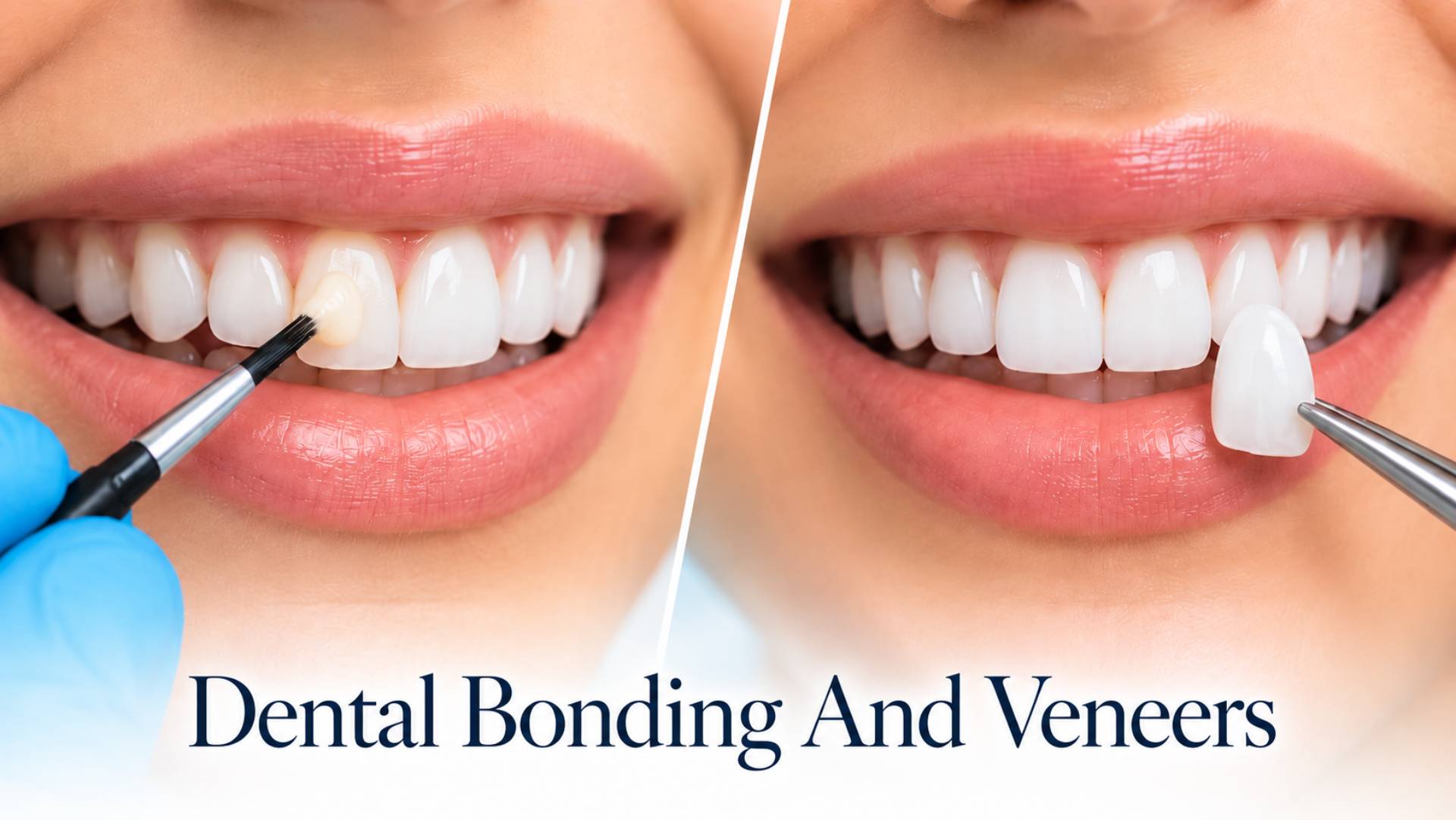
Bonding uses a tooth colored resin that is shaped directly onto your tooth. Your dentist sculpts it, hardens it with a curing light, and polishes it to blend in. Veneers are thin shells, often porcelain, that are custom made and bonded to the front of the tooth. According to the National Institute of Dental and Craniofacial Research, dental materials used in cosmetic treatment vary in strength, wear resistance, and how they interact with natural enamel. That matters when you are choosing a fix you will live with every day.
If your issue is small, like one chipped corner or a tiny gap, bonding often makes sense. If you want to change the shape, shade, and symmetry of several front teeth at once, veneers usually offer more control. That is one of the biggest differences between dental bonding and veneers. Bonding is often a targeted repair. Veneers are often a broader cosmetic redesign.
Cost and longevity often decide the bonding vs veneers choice
Money is usually part of this decision, even when people feel awkward saying it out loud. Bonding tends to cost less upfront because it is done directly on the tooth and usually in one visit. Veneers cost more because they involve custom lab work, more planning, and more than one appointment in many cases.
The lower price of bonding can be appealing, especially if you have one tooth that bothers you every time you smile. The tradeoff is that resin is not as strong or stain resistant as porcelain. Coffee, tea, red wine, and smoking can dull bonding over time. It can also chip or wear down sooner, especially if you grind your teeth or bite your nails.
Veneers usually last longer and hold their color better. That longer lifespan can make them feel more cost effective over time, but only if you are ready for the commitment. In many cases, a small amount of enamel is removed to make room for the veneer. Once that happens, the tooth will always need some type of covering on the front surface.
When people compare bonding vs veneers, they often focus on the first bill and miss the maintenance side. A lower starting cost is not always the lower long term cost if repairs and replacements happen more often.
Tooth preparation and reversibility shape the long term impact
This is where the decision becomes more personal. Bonding usually requires little to no enamel removal. That makes it a more conservative choice for many patients. If your natural tooth is healthy and the flaw is minor, preserving that structure matters.
Veneers are less forgiving in that sense. Some veneer cases need enamel reshaping so the final result does not look bulky. You may love the look, but the treatment is less reversible. That can feel like a big step if you are not fully sure what you want.
The material itself also matters. The medical subject heading for dental veneers reflects their role as a restorative and cosmetic surface layer, which helps explain why they are often used for more advanced aesthetic changes rather than quick repairs.
If you clench your jaw at night, have untreated decay, or have gum disease, neither option should be the first move. Cosmetic work placed on an unhealthy foundation often fails sooner, and then the problem becomes more expensive and more frustrating.
Appearance and maintenance separate quick improvement from lasting polish
Bonding can look very good, especially in skilled hands. For a single chip or a small shape correction, it may blend beautifully. Veneers tend to provide a more refined and stable finish, especially across several visible teeth. Porcelain reflects light in a way that often looks closer to natural enamel, and it resists staining better than resin.
The flip side is maintenance. Bonding may need touch ups. Veneers may need replacement after years of wear. Neither option gives you a free pass on brushing, flossing, and regular exams. A cosmetic fix still depends on healthy teeth and gums underneath.
| COMPARISON POINT | DENTAL BONDING | VENEERS |
| Best for | Small chips, minor gaps, limited discoloration | Multiple cosmetic changes, deeper stains, reshaping front teeth |
| Material | Composite resin | Usually porcelain or ceramic |
| Tooth preparation | Minimal in many cases | Often requires some enamel removal |
| Time involved | Often one visit | Often two or more visits |
| Stain resistance | Lower | Higher |
| Durability | Good for smaller repairs, but more prone to chipping | Stronger and longer lasting in many cases |
| Upfront cost | Usually lower | Usually higher |
Clear next steps help you choose the right cosmetic dental treatment
Start with the real problem. Name what actually bothers you. One chipped tooth is different from feeling unhappy with your whole smile. If the issue is small, dental bonding may be enough. If you want a broader change in color, shape, and balance, veneers may fit better.
Ask for a conservative option first. If your teeth are healthy, ask whether the least invasive fix can meet your goal. That question protects your enamel and your budget. In many cases, a good family dentist can tell you when bonding is a smart first step and when it would only be a short term patch.
Think past the first appointment. Ask how long the result is expected to last, what can stain it, whether repairs are common, and what replacement looks like later. That is where the choice becomes real. Cosmetic dentistry is not only about how your smile looks next month. It is also about how manageable it feels years from now.
You do not need to have all the answers before you book a visit. You just need a clear picture of your goals and an honest conversation about what each option can and cannot do. The best choice is the one that fits your teeth, your habits, and your budget, not the one that sounds more advanced. If you are weighing cosmetic dental options, schedule a consultation with a family dentist and get a treatment plan built around your smile.