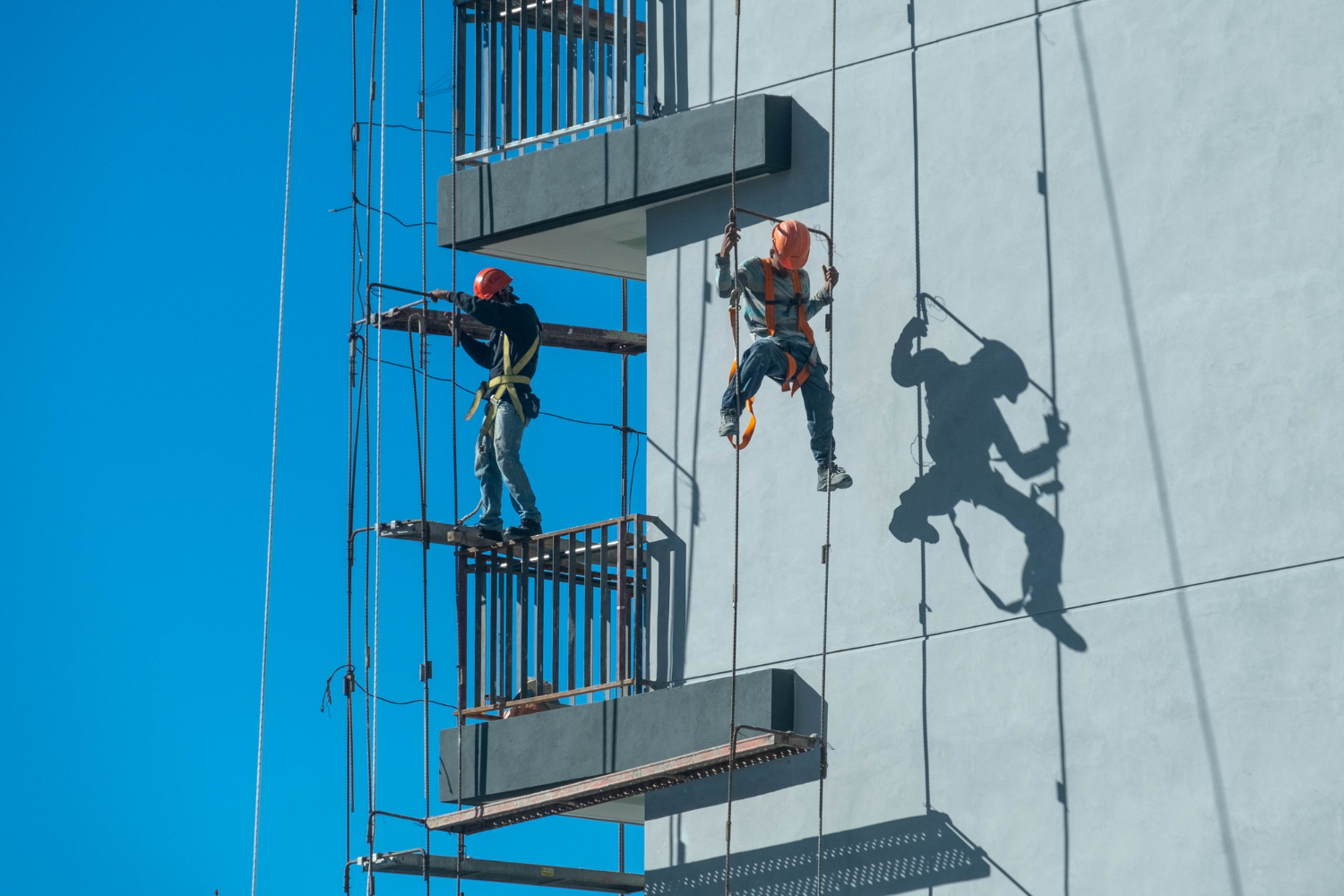
Working at height is a routine part of many jobs, from construction and maintenance to warehousing, manufacturing, and facilities management. However, even tasks that only involve working a few feet above ground level can become dangerous if the right precautions are not in place.
For business owners, keeping employees safe means taking a proactive approach. It is not enough to simply provide equipment and assume workers know how to use it. Safe working at height depends on planning, training, suitable protective measures, and regular checks to make sure standards are being maintained.
Start With A Thorough Risk Assessment
Before any employee starts working at height, the task should be properly assessed. Think about how high they will be working, how long the task will take, what type of surface they will be standing on, and whether there are any additional hazards nearby.
It is also important to think about who will be carrying out the work. An experienced maintenance worker may be comfortable using certain equipment, while someone carrying out the task for the first time may require additional instruction or supervision.
Where possible, businesses should look for ways to complete tasks from ground level. If working at height cannot be avoided, the next priority should be minimizing the risk of a fall.
Use The Right Protective Equipment
Different environments need different safety measures. Depending on the workplace, this could include guardrails, platforms, scaffolding, ladders, harnesses, or other fall protection systems.
Collective protection measures are particularly useful because they help protect everyone working in an area rather than relying entirely on individual workers remembering to use personal protective equipment correctly. If your business is looking for permanent edge protection and guardrail systems, you’ll be able to find quality ones at simplifiedsafety.co.uk.
Whatever equipment you use, it needs to be suitable for the specific task and inspected regularly to make sure it stays in safe working condition.
Make Training An Ongoing Priority
Employees should never be expected to work at height without understanding the risks involved. Training should cover how to use equipment correctly, how to identify hazards, and what to do if conditions change while a task is underway.
It is also worth refreshing this training regularly. Workers can become overly familiar with routine tasks, which may lead to shortcuts or missed safety checks over time.
Pay Attention To The Surrounding Environment
Falls are not the only concern when people are working at height. Tools or materials can also fall and injure people below, so exclusion zones or other protective measures may be necessary. Weather conditions should also be thought about for outdoor work. Strong winds, rain, ice, or poor visibility can quickly make an otherwise straightforward task unsafe.
Create A Culture Where Safety Comes First
Perhaps most importantly, employees should feel able to raise concerns if they believe a task is unsafe. Business owners and managers can encourage this by making safety a normal part of everyday conversations rather than something that is only discussed after an incident.
By combining careful planning, appropriate equipment, effective training, and regular reviews, businesses can significantly reduce the risks associated with working at height and create a safer environment for everyone.