You brush, you floss when you can, and you try not to think too hard about that dull ache or the bleeding you noticed in the sink. A lot of people live there for months, sometimes years. Life gets busy, and finding a family friendly dentist in Jackson, OH gets pushed back, so small problems stay quiet until they are not small anymore. That is usually how oral health slips. Not from one big mistake, but from a long stretch of delay.
Good long term oral health is usually not built on dramatic treatments. It comes from steady care, smart habits, and a dentist who catches trouble early. These five steps are the foundation most general dentists use to protect your teeth, gums, and overall health over time. If you want a simple way to think about it, the goal is prevention first, early treatment second, and repair only when needed.
General dentists focus on prevention before pain starts
Pain gets attention, but prevention saves teeth. That is the gap many people feel. If your mouth does not hurt, it is easy to assume everything is fine. Cavities do not always hurt right away. Gum disease often starts with mild bleeding or bad breath, which people brush off because it seems manageable. By the time chewing feels different or a tooth cracks, treatment is often more involved and more expensive.
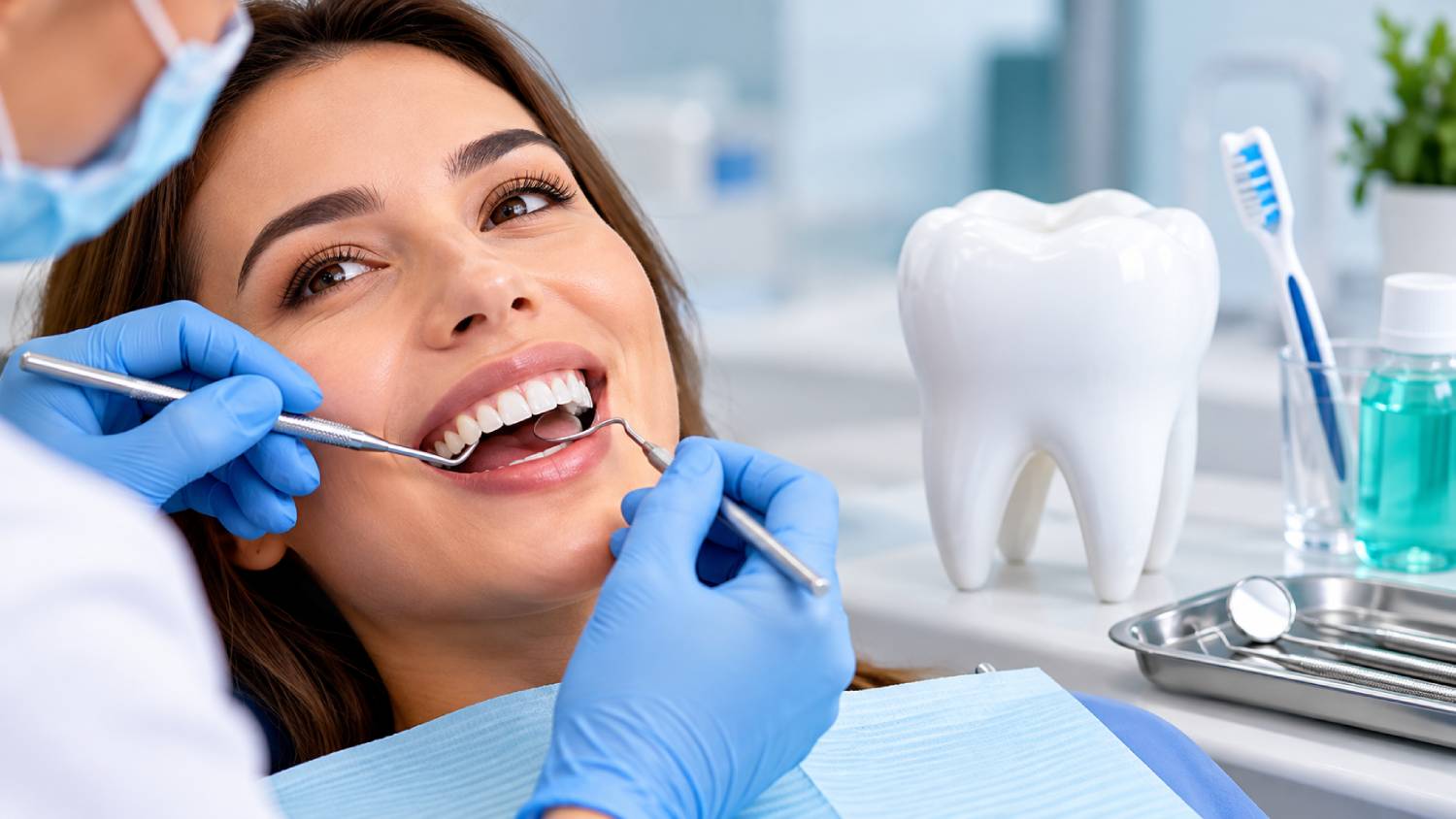
A general dentist usually starts with routine exams and cleanings because plaque and tartar build up in places your toothbrush cannot fully reach. Professional cleanings lower the bacterial load in your mouth and reduce the risk of gum inflammation. Exams also help spot early decay, worn fillings, bite issues, and signs of grinding before they turn into bigger problems. If you want a clearer sense of what happens during a checkup, this overview of a dental exam breaks it down in plain language.
This matters beyond your teeth. Ongoing inflammation in the gums can affect comfort, appearance, and daily confidence. It can also make eating harder, which changes what you choose to eat. Once that starts, oral health and general health begin feeding into each other in ways that are hard to ignore.
Five steps general dentists use for long term oral health
The first step is consistent exams and cleanings. Most adults do well with visits every six months, though some need more frequent care if they have gum disease, dry mouth, heavy tartar buildup, or a history of frequent cavities. These visits are where small issues stay small.
The second step is cavity prevention with fluoride and home care guidance. Dentists look at your brushing technique, your flossing habits, and your risk factors. Dry mouth from medication, frequent snacking, sports drinks, and nighttime grinding all change what your teeth are dealing with. Advice works better when it matches your real routine, not some perfect routine you never have time to follow.
The third step is gum care. Healthy gums hold everything in place, yet they are often ignored until they bleed. General dentists measure gum health, remove buildup below the gumline when needed, and watch for early signs of periodontal disease. That is one of the most practical forms of preventive dental care because gum disease can progress quietly.
The fourth step is early repair. A small filling is easier on your tooth and your budget than a crown or root canal later. A minor chip can often be smoothed or bonded before it turns into a fracture. Waiting rarely makes treatment simpler.
The fifth step is habit coaching. This is where long term results are won or lost. Dentists often talk through diet, tobacco use, dry mouth, mouthguards, and cleaning tools because your daily habits shape what happens between visits. The CDC oral health tips for adults support the same basics, including brushing with fluoride toothpaste, flossing, and limiting sugary foods and drinks.
Daily care and professional dental care work better together
Home care matters, but it has limits. Brushing harder does not remove tartar. Mouthwash does not fix decay. Skipping visits because your teeth look fine can feel like saving money, then one cracked filling or infected tooth wipes out those savings fast. This is where people get frustrated. They were doing something, just not enough of the right things at the right time.
| APPROACH | WHAT IT HELPS WITH | WHAT IT MISSES |
| Home brushing and flossing only | Daily plaque control, fresher breath, lower cavity risk | Tartar removal, hidden decay, early gum disease, bite issues |
| Occasional dental visits only | Problem spotting, professional cleaning, treatment planning | Daily plaque buildup between visits, habit related damage |
| Combined home care and regular dental visits | Best protection for teeth and gums over time | Still requires follow through if treatment is recommended |
If you need a reliable starting point for everyday habits, MedlinePlus dental health resources offers practical guidance without the noise. That kind of steady information helps when you are trying to separate useful advice from internet guesswork.
Three practical steps you can take right away
- Get honest about your current pattern. If it has been more than six months since your last exam, or if you have bleeding gums, sensitivity, bad breath, or food catching between teeth, treat that as a sign to schedule care. You do not need severe pain to justify an appointment.
- Fix the weak spot in your routine. Most people already know the basics. The issue is usually one gap. Maybe you rush brushing at night, skip flossing, or sip sweet drinks all day. Choose the one habit doing the most damage and change that first. Small consistency beats short bursts of effort.
- Ask for a prevention plan, not just a cleaning. Good oral health maintenance is personal. Ask what your main risks are, how often you should come in, and whether fluoride treatment, a night guard, or deeper gum care makes sense for you. Clear guidance is easier to follow than general advice.
Long term oral health gets easier when you stop waiting
If you have been putting off dental care, you are not alone, and you are not behind in some permanent way. Teeth and gums respond well to steady attention, even after a rough stretch. The key is to stop treating oral health like something that only matters when it hurts. A trusted general dentist can help you protect what is healthy, catch what is changing, and keep treatment simpler over time.
Start with the next step you can actually keep. That is how long term oral health holds.


