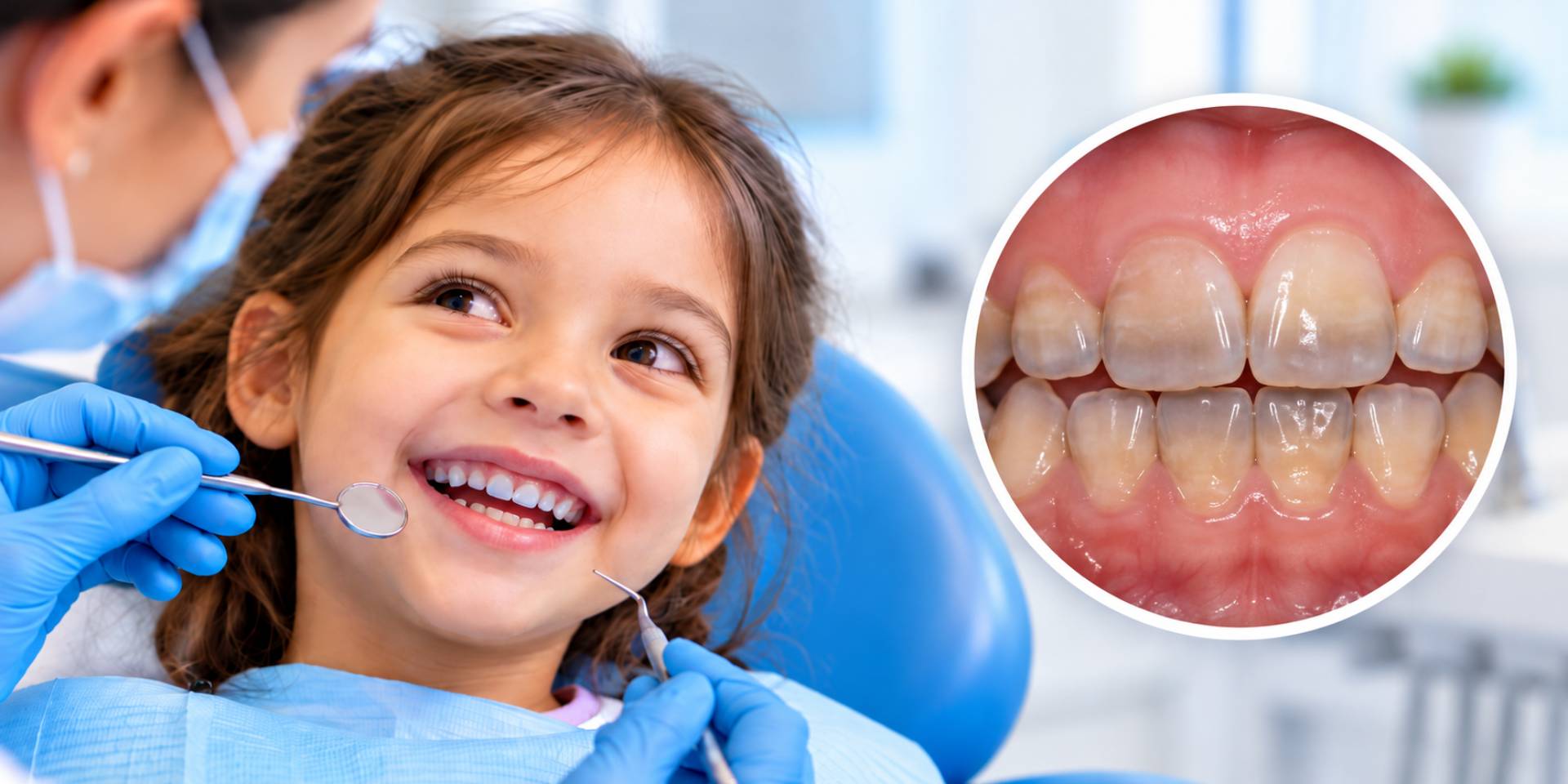
You may have noticed that your child’s teeth look different long before anyone gave it a name. Maybe they seem gray, blue, yellow brown, or more translucent than expected. Maybe they chip easily, wear down fast, or cause pain during meals and brushing. That kind of pattern gets your attention fast, and it can leave you stuck between worry and confusion, especially when baby teeth or new adult teeth keep showing the same problems. If you’re looking for trusted children’s dental care in Oxnard, CA, these ongoing changes are a good reason to seek professional guidance.
Dentinogenesis imperfecta affects the way dentin forms inside the tooth, which can leave teeth weak, discolored, and more likely to break or wear away. For a child, that can mean early dental visits, closer monitoring, more protective treatment, and a plan that changes as they grow. It can also mean stress for you, because what looks like a cosmetic issue often turns into a comfort, function, and long term oral health issue.
A pediatric dentist often becomes a key part of care early on, because children with this condition do not just need routine cleanings. They need someone watching how their teeth are developing, how they are biting and chewing, and whether the enamel and dentin are holding up under daily use.
Dentinogenesis imperfecta changes more than the color of a child’s teeth
This condition is inherited and affects dentin, the main structure under the enamel. According to MedlinePlus genetics information on dentinogenesis imperfecta, teeth may appear discolored and weaker than usual, and they can break or wear down more easily. In many children, the enamel may look normal at first but can chip away because the layer underneath does not support it well.
That is why a child can seem to have “soft teeth” even when you are brushing, limiting sugar, and doing everything you were told to do. Parents often carry guilt that does not belong to them. This is not a sign that you missed something. It is a genetic dental condition, and it needs care that matches that reality.
The problems can build quickly. A small chip becomes a rough edge. A rough edge catches more pressure during chewing. A tooth that is already weak starts to flatten, crack, or shorten. Some children become sensitive to hot and cold. Others avoid certain foods because chewing hurts, even if they are too young to explain it clearly.
Hereditary dentin defects can affect eating, speech, confidence, and cost
When teeth wear down early, the impact is not limited to the mouth. Children may avoid crunchy foods, chew only on one side, or take much longer to finish meals. If front teeth are affected, speech can change. If the color or shape of the teeth draws comments from other kids, self confidence can take a hit long before adulthood.
The financial side can also catch families off guard. Treatment is often not one single fix. It may involve exams, X rays, protective crowns, bonding, monitoring for pulp problems, and updates as baby teeth fall out and adult teeth come in. Some children need treatment under sedation or in a hospital setting if extensive work is needed at a young age.
The NIH Genetic and Rare Diseases Information Center explains that dentinogenesis imperfecta can occur on its own or with other conditions such as osteogenesis imperfecta. That connection matters because a child with fragile teeth may also need broader medical evaluation, and your dental team may coordinate with your child’s physician.
Professional guidance matters early because the goal is not only to repair damage after it happens. The goal is to protect tooth structure before daily wear turns into pain, infection, or major reconstruction. That is where children’s dental care for dentinogenesis imperfecta becomes much more preventive than reactive.
Pediatric dental care for dentinogenesis imperfecta works best when it starts early
The American Academy of Pediatric Dentistry discusses hereditary dental defects in its guidance on heritable dental developmental anomalies. In practical terms, this usually means regular follow up, radiographs when needed, and treatment aimed at preserving tooth structure and function. For some children, stainless steel crowns on baby molars help protect teeth that are wearing down too fast. For others, bonding or full coverage options may be used to improve appearance and reduce sensitivity.
There is no one size fits all plan. A toddler with rapid wear has different needs than a school age child with visible discoloration and erupting permanent teeth. Timing matters. So does the child’s comfort level, bite pattern, and risk of fracture.
| CONCERN | WATCHING AND WAITING | EARLY PEDIATRIC DENTIST CARE |
| Tooth wear | May progress quickly before it is obvious day to day | Protective restorations can reduce further breakdown |
| Sensitivity or pain | Child may avoid foods or brushing without explaining why | Cause can be identified and treated sooner |
| Appearance | Discoloration may affect confidence as the child gets older | Cosmetic and protective options can be discussed by stage of growth |
| Cost over time | Delayed care can lead to larger repairs or urgent treatment | Planned monitoring often helps families pace care and avoid crises |
| Long term oral development | Changes in bite and tooth height may go unnoticed | Growth and eruption can be tracked as part of a long term plan |
Small steps now can protect your child’s teeth later
Schedule a pediatric dental evaluation early. If your child has unusual tooth color, fast wear, frequent chipping, or a family history of inherited tooth problems, get an exam sooner rather than later. Early records, photos, and X rays can help track changes and guide treatment before teeth break down further.
Document what you are seeing at home. Take clear photos every few weeks if you notice changes. Write down sensitivity to cold foods, trouble chewing, or complaints during brushing. Those details help the dental team see patterns that may not be obvious in a short office visit.
Ask for a staged treatment plan. Families do better when they know what needs attention now, what can wait, and what may come next as adult teeth erupt. Ask about protection for weak teeth, pain control, home care products, and whether your child should be evaluated for related conditions. Dental care for children with dentinogenesis imperfecta is easier to manage when the plan is clear.
Steady care can make this feel manageable
You do not need to solve the whole picture at once. A child with dentinogenesis imperfecta needs careful monitoring, practical protection, and a dental team that understands how fast these teeth can change. With the right support, many children stay more comfortable, keep better function, and avoid some of the damage that happens when the condition is missed or minimized.
If you suspect your child has dentinogenesis imperfecta or another inherited tooth condition, schedule a visit with a pediatric dentist and get a plan in place early.


