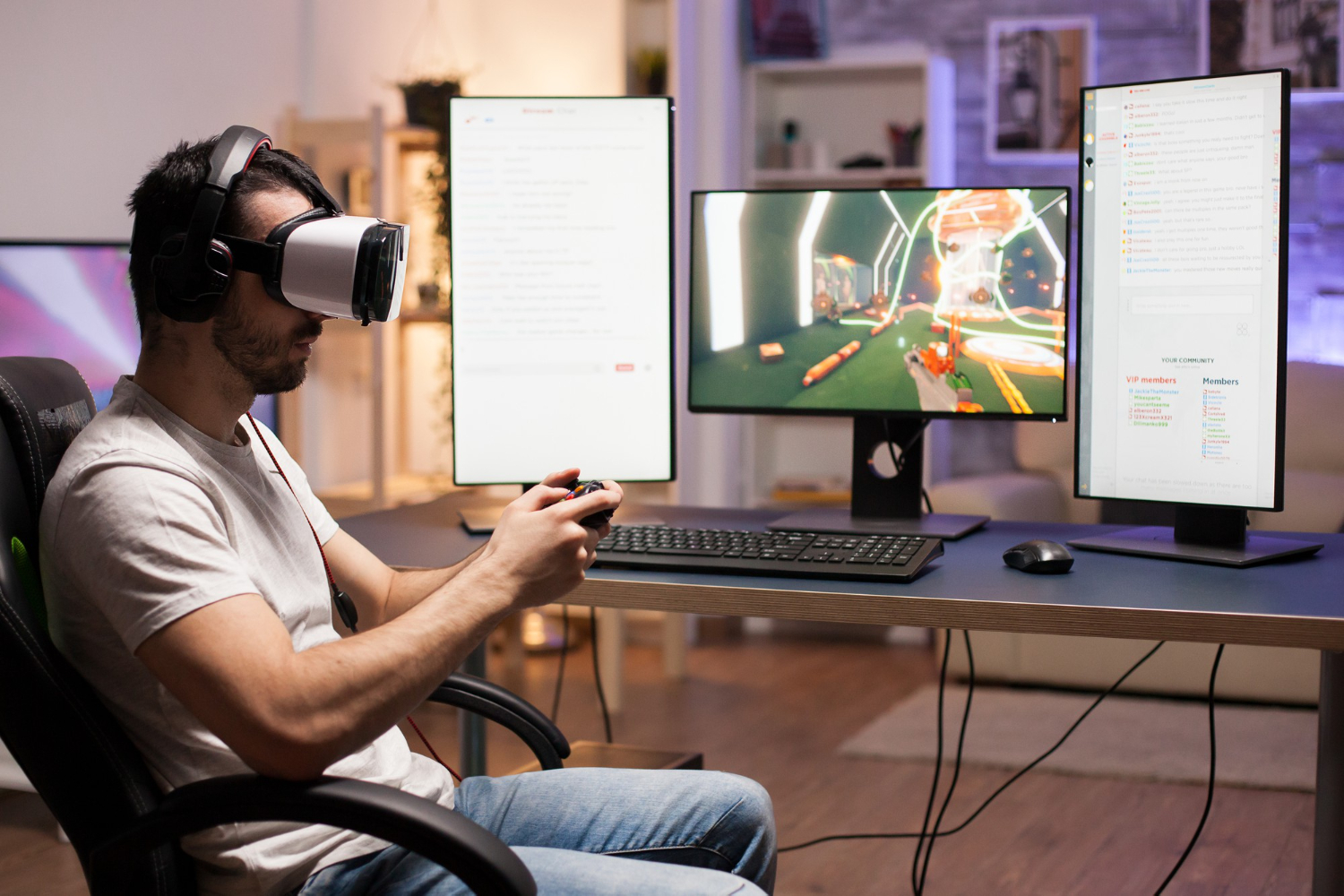
Imagine playing a video game where every movement creates a sound, every decision changes a melody, and every challenge gives you a chance to experiment with music. This is the idea behind gaming harmonicode, a concept that combines interactive entertainment, sound design, and creative expression.
Instead of using music only as background entertainment, this approach makes sound an active part of the gaming experience. Players can change musical patterns, discover new rhythms, and explore different sounds through their actions. From rhythm-based challenges to experimental digital environments, the connection between gaming and music offers new possibilities for players, musicians, and developers.
Understanding Gaming Harmonicode and Its Creative Potential
Gaming harmonicode can describe interactive gaming experiences that combine gameplay with music creation, sound manipulation, or programming-inspired features. Instead of simply listening to a soundtrack, players can influence how the music develops.
For example, moving through a virtual world might activate different instruments, while solving a puzzle could introduce a new melody. In other games, arranging objects or completing certain actions can change the rhythm, harmony, or structure of the soundtrack.
This creates an experience where music and gameplay work together. Players become part of the creative process, and the soundtrack reflects the actions taking place on screen.
It is important to note that gaming harmonicode is not necessarily a formally recognised gaming genre. The term can describe a wider range of ideas that bring together interactive entertainment, musical experimentation, and digital creativity.
How Music-Driven Gaming Has Evolved
The relationship between video games and music has changed significantly over the years. Early games used simple sound effects and memorable arcade tunes. Today, some experiences allow players to influence musical patterns, perform songs, and even create their own compositions.
From Rhythm Challenges to Interactive Soundscapes
Rhythm games introduced many players to the idea that music could be an important part of gameplay. Titles such as Guitar Hero and Beat Saber challenge players to match their movements with musical patterns. Timing, coordination, and listening skills are essential to success.
Other games take a different approach. Rather than asking players to follow an existing song, they provide tools that allow them to experiment with sounds and discover new musical combinations.
Electroplankton, for example, lets players interact with colourful digital creatures to create unusual sound patterns. Experiences like this show how simple actions can become a way to explore music and creativity.
The Influence of Creative Coding
Creative coding has also helped shape interactive music experiences. Tools such as Sonic Pi and TidalCycles allow users to create music through code, experiment with rhythms, and change musical sequences as they play.
These tools show that programming can be more than a technical task. It can also be a creative activity that helps people explore musical ideas, build compositions, and understand how sounds work together.
When these ideas are used in games, they can make musical experimentation more engaging and easier to explore.
What Makes Gaming Harmonicode Appealing?
Combining music with gameplay offers more than a new way to experience a soundtrack. It can encourage creativity, support learning, and give players a deeper connection with the game.
Music That Responds to Your Choices
In traditional games, the soundtrack is usually created in advance and plays during specific events. Interactive musical experiences can go further by allowing players to influence how the music changes.
Moving in a different direction might introduce a new musical layer, while completing an objective could change the rhythm or intensity. These changes connect the player’s actions with the sounds they hear.
Since the music can respond to individual choices, each session may create a different listening experience.
A More Approachable Way to Explore Music
Learning music often involves studying notes, scales, harmony, and playing techniques. Interactive games provide another way to get started by allowing players to discover musical patterns through experimentation.
Players can try different actions, listen to the results, and gradually recognise patterns. This can encourage an interest in rhythm, melody, and composition without requiring advanced musical knowledge from the beginning.
Although gaming cannot replace every part of formal music education, it can make the early stages of musical exploration more enjoyable.
Combining Problem-Solving With Artistic Freedom
Many music-based games combine creative exploration with challenges that require concentration and logical thinking. Players might need to recognise patterns, solve puzzles, or arrange objects in a particular order to unlock new sounds.
This creates a balance between rules and freedom. The game provides objectives, while its musical features encourage players to experiment within those limits.
Success is not always about achieving a high score. It can also mean discovering an enjoyable combination of sounds or finding an unexpected way to solve a challenge.
Five Games That Connect Gameplay With Music
Several existing games show how music can become an important part of an interactive experience. Although they do not necessarily use the term gaming harmonicode, they demonstrate many of the ideas associated with it.
1. Electroplankton: Making Music Through Play
Electroplankton is an experimental musical experience built around colourful aquatic creatures and interactive environments. Players interact with elements on the screen to produce sounds, explore patterns, and create musical sequences.
Rather than focusing on competition or traditional objectives, the experience encourages curiosity. Its simple interactions show how digital play can introduce people to sound creation in an accessible way.
2. Soundodger+: Turning Rhythm Into a Challenge
Soundodger+ combines music with gameplay that requires players to avoid incoming projectiles. Players move around the screen while responding to patterns connected to the soundtrack.
The link between sound and movement creates an experience that rewards attention, coordination, and quick reactions. Music becomes part of the challenge, helping players understand and respond to the action.
3. Fract OSC: Exploring Electronic Sound Worlds
Fract OSC combines first-person exploration, environmental puzzles, and electronic music. As players progress through the game, they interact with structures and mechanisms that reveal different parts of its soundscape.
The experience connects exploration with musical development. Instead of treating music as something separate from the adventure, it makes sound an important part of the virtual world.
4. A Musical Story: Building a Narrative Through Rhythm
A Musical Story is a rhythm-based narrative game in which players repeat musical sequences to move the story forward.
Music plays a central role in presenting the narrative, while timing challenges and repeated patterns connect gameplay with memory and emotion. The game shows how rhythm can help tell a story without depending entirely on traditional dialogue.
5. Chime: Creating Sound Through Strategic Placement
Chime combines puzzle-solving with musical composition. Players place shapes on a grid and complete sections that trigger musical elements as the board develops.
The arrangement of pieces affects how the composition changes over time. This creates a clear connection between visual strategy and sound, showing how simple gameplay mechanics can produce an evolving musical experience.
The Technology Behind Interactive Music Games
Developing a game where music responds naturally to player actions requires different technologies to work together. Audio systems, programming tools, and sound-generation methods help connect gameplay with musical events.
Real-Time Audio Systems
Interactive audio systems allow sounds to change in response to events within a game. For example, entering a new area might activate another musical layer, while completing an objective could introduce a sound effect or increase the soundtrack’s intensity.
Advanced systems can also manage transitions between musical sections to prevent sudden interruptions. This helps keep the soundtrack consistent while allowing it to respond to changing gameplay.
Procedural Music and Generative Algorithms
Procedural music systems use rules and algorithms to create musical variations. They can arrange notes, combine rhythms, or select sounds based on predefined settings and player actions.
This approach can produce different musical variations from a relatively small collection of audio assets. However, the results depend on how the system is designed. Not every game creates completely new music during gameplay.
MIDI and Virtual Instruments
MIDI is a communication protocol that allows compatible software and electronic instruments to exchange musical information. This information can include notes, timing, and selected control settings.
In interactive music projects, MIDI can connect gameplay events with virtual instruments and musical sequences. It can also help link gaming experiences with more advanced music-production tools.
Game Engines and Audio Integration
Development platforms such as Unity and Unreal Engine help developers combine sound, animation, environmental events, and gameplay systems.
Using scripts and audio tools, developers can build systems where music changes according to a player’s location, progress, or decisions. However, good results depend on more than technology. Sound design and careful integration with gameplay are equally important.
How AI and Virtual Reality Could Shape Musical Gaming
Artificial intelligence could create new ways for games to respond to player behaviour. Depending on how the technology is used, adaptive music systems may adjust certain musical elements according to changes in the game environment.
For example, the soundtrack could become more intense during a chase, introduce softer sounds during exploration, or reveal new musical elements after a puzzle is solved. These changes require careful design so the music remains connected rather than sounding random.
Virtual reality offers another opportunity. Players could interact with sound in three-dimensional environments, move virtual instruments through space, or use hand movements to control musical objects.
Collaborative gaming could also introduce new creative possibilities. Several players might contribute different elements to a shared composition, with one controlling rhythm, another adjusting melodies, and others experimenting with instruments or sound effects.
These developments depend on continued technical and creative progress. However, they show how interactive music could become a more flexible and engaging form of digital entertainment.
Why Game Developers Are Exploring Music-Based Gameplay
Music-driven games give developers opportunities to create distinctive experiences that go beyond familiar mechanics such as combat, racing, and traditional scoring systems.
Creating a Recognisable Artistic Identity
Music can help a game develop a memorable identity. When the soundtrack responds to gameplay in meaningful ways, it becomes part of what makes the experience different from other games.
A well-designed musical system can also build atmosphere, support storytelling, and encourage players to connect more deeply with the virtual environment.
Connecting Different Creative Communities
Interactive music can attract gamers, musicians, sound designers, educators, and technology enthusiasts.
This creates opportunities for people from different creative fields to work together. Game developers can collaborate with composers, while musicians can explore interactive formats beyond traditional recordings and live performances.
Making Creative Experimentation More Accessible
Open-source software, audio libraries, and accessible development tools can help smaller studios experiment with music-based gameplay.
These resources do not remove all development costs or technical difficulties. However, they offer a useful starting point for testing ideas, creating prototypes, and exploring new ways to use sound in games.
The Cultural Influence of Gaming and Music
The combination of gaming and music is changing how people experience sound in digital spaces. Rather than remaining passive listeners, players can take an active role in shaping musical experiences.
Introducing New Audiences to Music Creation
Interactive games can encourage players to experiment with rhythm, repetition, timing, and different sound combinations. These activities can introduce musical ideas in a way that feels less intimidating than traditional lessons.
Some experiences may also inspire players to explore digital instruments, music-production software, or creative coding outside the game.
Bringing Gamers and Musicians Together
Gaming and music communities have more opportunities to share ideas through interactive projects, online collaborations, and digital performances.
These connections can lead to new forms of creative expression. Players may develop an interest in composition, while musicians can discover different ways to present their work through interactive environments.
Expanding the Possibilities of Digital Art
Interactive music is also part of the wider digital art world. Installations, experimental games, and audiovisual projects can invite audiences to influence the artwork rather than simply observe it.
This creates a different relationship between the artist, the artwork, and the audience. The experience develops through participation, making each interaction part of the creative process.
Could Gaming Harmonicode Become a New Creative Language?
The connection between sound and gameplay offers a different way to communicate ideas through digital experiences. In some games, movement can trigger a musical response, solving a puzzle can introduce a new harmony, and completing an objective can change the atmosphere of an entire environment.
These interactions allow games to communicate through more than images and written dialogue. Sound becomes part of how players understand the virtual world, while their movements and decisions contribute to the musical experience.
It may be more accurate to view gaming harmonicode as a collection of creative approaches rather than a universal artistic language. Even so, the idea is interesting because it allows gameplay to become a way for players to explore sound, emotion, and composition.
How to Start Exploring Interactive Music
You do not need to be an experienced musician or programmer to explore the relationship between gaming and sound. A few simple steps can help you discover which parts of interactive music interest you most.
Step 1: Choose a Music-Focused Game
Start with a game that makes sound an important part of its mechanics. Titles such as Electroplankton, Chime, and Soundodger+ offer different ways to explore the connection between music and gameplay, depending on platform availability.
Step 2: Listen to How Your Actions Change the Sound
Pay attention to how your decisions affect the soundtrack. Notice whether movement, object placement, or completing a challenge changes the rhythm, introduces a new sound, or affects the overall atmosphere.
Step 3: Experiment With Creative Software
If you want to explore beyond playing games, try beginner-friendly tools such as Sonic Pi. These tools allow you to experiment with loops, rhythmic patterns, and musical sequences created through code.
Start with simple ideas and add more complexity as you become familiar with the software.
Step 4: Learn From Creative Communities
Online communities focused on electronic music, game development, and creative coding can provide inspiration and practical advice. Looking at other people’s projects can help you discover new techniques and develop your own ideas.
The aim is not to create a perfect composition straight away. It is to experiment, listen, and learn how digital interactions can become a form of musical expression.
The Next Chapter of Creative Gaming
Players increasingly value experiences that allow them to help shape the worlds they explore. Music-driven gameplay responds to this interest by bringing together discovery, personal expression, and interactive entertainment.
This approach also creates opportunities for composers, developers, sound designers, and digital artists to work together. They can create experiences where music influences player decisions instead of simply accompanying the action.
Future growth will depend on accessibility, technical progress, and the quality of the experiences being developed. The strongest projects are likely to be those where music feels essential to gameplay rather than serving as a decorative addition.
Conclusion
Gaming harmonicode offers an interesting way to explore the relationship between video games and musical creativity. By connecting player actions with sound, interactive experiences can make music an active part of exploration, problem-solving, and artistic expression.
From rhythm challenges to experimental sound environments and creative coding platforms, existing projects demonstrate several ways gaming can encourage musical discovery. Future developments in artificial intelligence, virtual reality, and collaborative technology could expand these opportunities further.
For curious players, aspiring musicians, and technology enthusiasts, the appeal lies in doing more than listening to music or playing a game. It is about experimenting with sound, discovering unexpected combinations, and exploring how creative ideas can develop through interaction.