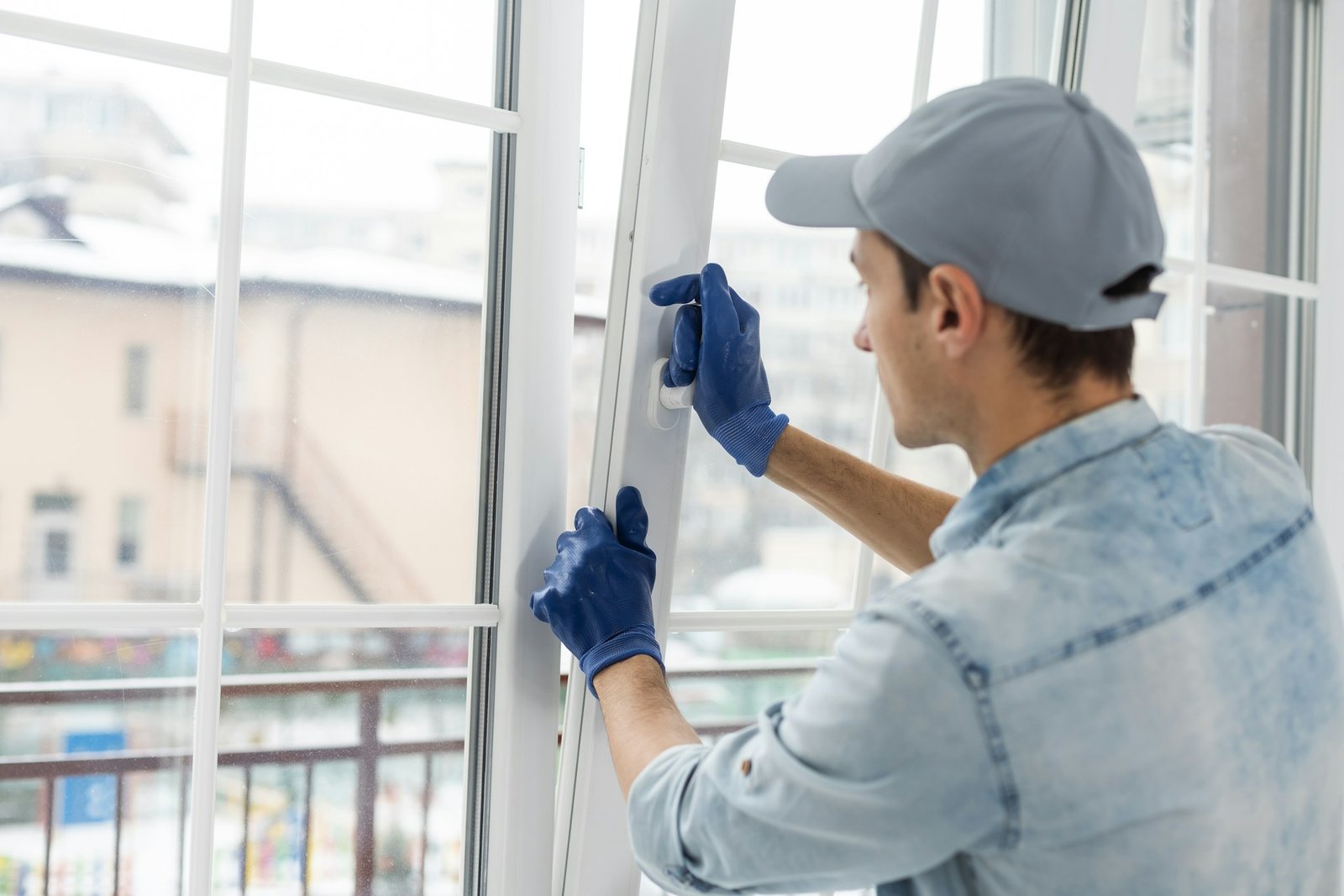
A smashed window can turn an ordinary day into a stressful situation. Whether the damage results from an accident, severe weather or an attempted break-in, broken glass creates immediate safety concerns. Sharp fragments, exposed openings and damaged frames can put household members at risk. Knowing what to do first helps prevent further injuries and protects your property.
The priority is to keep everyone away from the damaged area and assess whether the window needs urgent attention. Professional emergency glazing can help restore safety when broken glass, damaged frames or an unsecured opening make a property vulnerable. Taking sensible precautions while waiting for repairs is equally important.
Assess the Damage Before Approaching the Window
After hearing glass break, the natural reaction is to investigate immediately. However, approaching a shattered window without checking the surroundings can be dangerous. Glass fragments may be scattered across floors, furniture and nearby surfaces.
Start by examining the area from a safe distance. Look for large pieces of glass still attached to the frame, as these may fall unexpectedly. Check whether the frame appears bent, loose or otherwise damaged.
Avoid touching the window or attempting to remove hanging fragments. Even small movements can dislodge unstable glass. If the damage is extensive, close the room off until the area can be made safe.
Children and pets should remain elsewhere in the house. Their movements can make it difficult to control access to dangerous areas.
Immediate Steps to Keep Everyone Safe
Once you have identified the damaged area, focus on reducing immediate risks. A few practical measures can prevent additional accidents while arrangements are made for repairs.
- Keep people away: Prevent children, pets and visitors from entering the affected room.
- Wear protective footwear: Choose sturdy, closed shoes if you must move near the area.
- Avoid loose glass: Never pull fragments from a damaged frame or handle unstable panes.
- Check for injuries: Assess anyone nearby for cuts and seek medical assistance when necessary.
- Keep the opening clear: Move furniture or belongings away only when this can be done safely.
- Contact a qualified glazier: Arrange professional assistance when the window cannot be safely secured.
Do not rush to clean everything immediately. Controlling access and addressing dangerous glass should come before restoring the room to normal use.
Handling Broken Glass Without Further Injury
Broken glass is particularly hazardous because small fragments can be difficult to see. Pieces may travel beyond the immediate window area, especially across hard flooring.
If the remaining glass is stable and the area is safe to approach, minor fragments can be collected carefully using suitable protective gloves, sturdy footwear, a brush and a dustpan. Never pick up shards with bare hands.
Place collected glass in a rigid, puncture-resistant container rather than an ordinary rubbish bag. Check local waste disposal guidance before discarding it.
A damp disposable cloth can help collect tiny particles from hard surfaces after larger fragments have been removed. Avoid using your hands to search for hidden pieces.
If glass remains attached to the frame, leave it for a professional. Removing unstable sections without appropriate equipment can cause serious injuries.
Protecting Your Home From Weather and Security Risks
A broken window affects more than personal safety. An exposed opening can allow rain, wind and cold air into the property. It may also create an additional security concern.
If the window cannot be repaired immediately, temporary boarding may be necessary. Proper boarding helps cover the opening until replacement glazing is available.
Avoid attaching unsuitable materials directly to damaged glass or unstable frames. Improvised coverings may become detached, particularly during windy conditions.
Keep valuable belongings away from the exposed area where practical. Close internal doors to reduce draughts and limit access to the affected room.
If the damage appears connected to criminal activity, contact the police when appropriate. Preserve relevant evidence and avoid unnecessary disturbance before reporting the incident.
Understanding When Professional Repairs Are Necessary
Not every damaged window requires complete replacement. The appropriate repair depends on the condition of the glass, frame, seals and surrounding fittings.
A glazier can assess whether the existing frame remains suitable for use or whether additional components need attention. Cracked double-glazed units generally require replacement glazing rather than a simple surface repair.
Double glazing consists of two panes separated by a sealed space. When the glass or sealed unit is damaged, restoring its original performance usually involves replacing the affected unit.
Replacement glass may need to be measured and manufactured before installation. Temporary boarding can provide protection during this period.
Professional assessment is especially important when glass is unstable, the window cannot close securely or the damage affects a large opening.
Preventing Similar Window Accidents
Although some incidents cannot be predicted, sensible household precautions can reduce the likelihood of accidental glass damage.
Keep heavy furniture and frequently moved objects away from vulnerable windows. Make sure doors and windows open freely without striking surrounding fixtures.
Check window handles, hinges and locks periodically. Components that become stiff, loose or difficult to operate should receive attention before they cause further problems.
Where appropriate, consider safety glazing in locations where accidental human impact is more likely. A qualified installer can explain suitable options and relevant building requirements.
Regular maintenance also helps identify deteriorating seals, damaged frames and other issues before they become more serious.
Common Questions About Smashed Windows
Q.1 What should I do immediately after a window breaks?
Keep everyone away from the affected area and check for injuries. Avoid touching unstable glass or damaged frames. Restrict access to the room and arrange professional assistance if the opening cannot be secured safely.
Q.2 Can I temporarily cover a broken window myself?
Minor coverings may be possible when no dangerous glass remains and the frame is stable. However, extensive damage, exposed sharp edges or difficult access should be handled by professionals using appropriate boarding materials.
Q.3 Is a cracked double-glazed window safe to leave overnight?
A cracked unit may deteriorate or become unstable. Its safety depends on the damage and surrounding conditions. Seek professional advice promptly, particularly when the glass is loose or the window cannot close securely.
Q.4 Should I contact my home insurance provider after window damage?
Check your policy to determine whether accidental damage, storm damage or criminal damage is covered. Your insurer may require photographs, repair estimates or a police reference number, depending on the circumstances.
Q.5 How can I check whether all broken glass has been removed?
Inspect accessible surfaces carefully under good lighting after larger fragments have been cleared. Check nearby flooring and furniture without touching suspicious areas. Professional cleaning may be appropriate when fragments are widespread or difficult to reach.
In Summary
A smashed window requires a calm, safety-focused response. Keeping people away from broken glass, checking for injuries and protecting the exposed opening are the most important initial measures. Avoiding unnecessary contact with unstable materials can prevent an already difficult situation from becoming more dangerous.
Once immediate risks are controlled, arrange an appropriate assessment and repair. Regular window maintenance, careful furniture placement and attention to damaged fittings can also reduce future problems. Prioritising safety over quick temporary fixes is the most reliable approach to protecting your household.