Hidden water can silently damage your home’s structure and air quality long before you notice a puddle. Catching leaks early protects your property and wallet.
Water leaks behind walls rank among the most costly and sneaky home problems. Moisture can soak drywall, promote mold, weaken framing, and drive up utility bills for months before anything becomes obvious. Early awareness of the warning signs, common causes, and simple prevention steps can spare you major repairs. Professional leak detection services in Akron use advanced tools to locate problems quickly and with minimal disruption, giving homeowners a clear path forward.
Recognizing the Warning Signs of Hidden Leaks
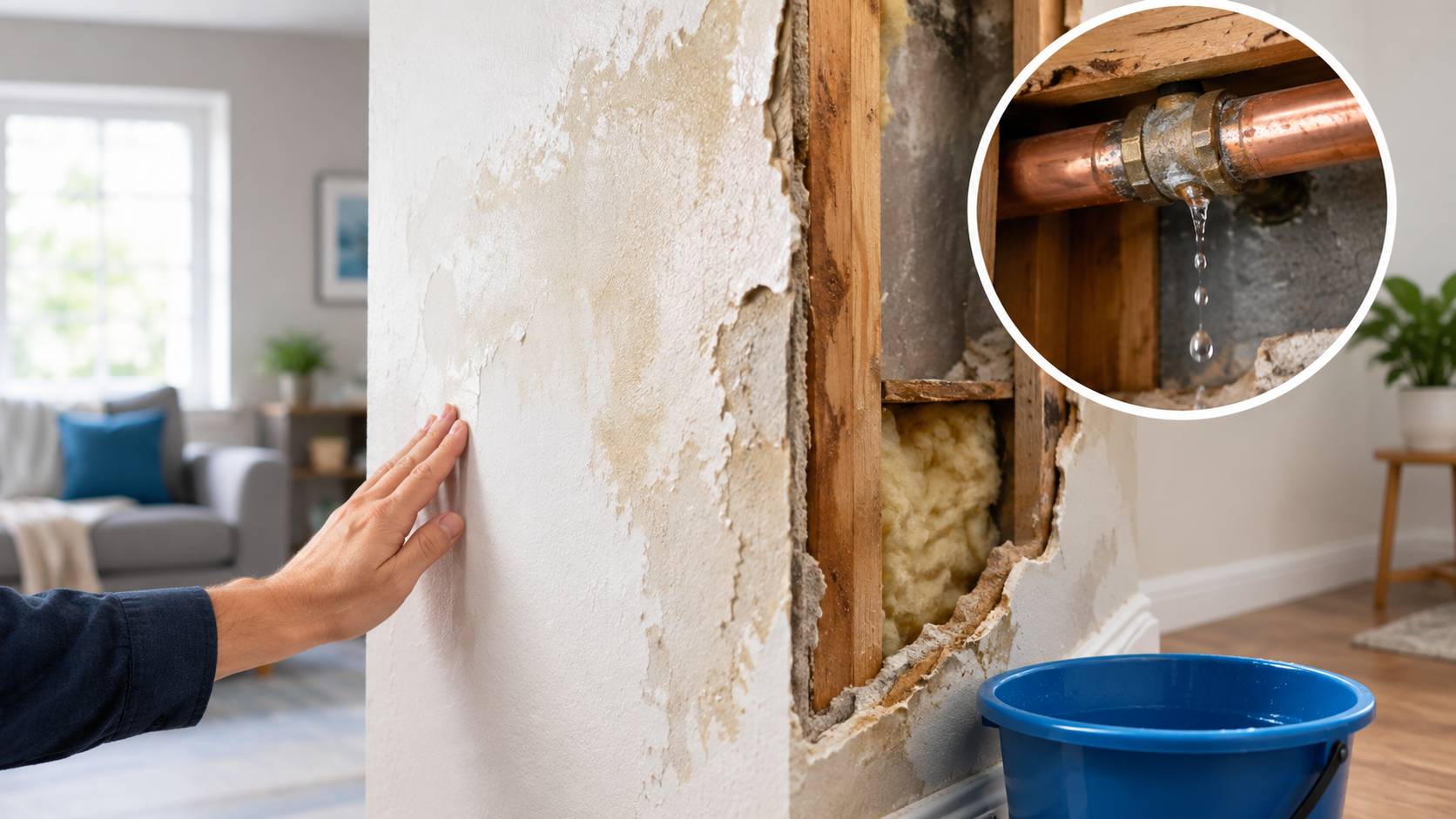
A musty odor that lingers even after cleaning often signals trapped moisture. Discolored patches—yellow or brown stains—on walls or ceilings usually mean water has been traveling through the drywall. Paint that bubbles, peels, or feels soft to the touch points to moisture building up behind the surface. Baseboards that warp or feel spongy, along with visible mold growth in unexpected spots, are further red flags.
You may also hear the faint sound of running or dripping water when every faucet and appliance is off. An unexplained rise in your water bill or a water meter that continues to move after everything is shut down confirms active flow somewhere in the system. Reduced water pressure throughout the house can indicate a leak siphoning volume. Warm spots on a wall sometimes reveal a hot-water line issue. Checking these indicators regularly helps you act before damage spreads.
Common Causes of Leaks Behind Walls
Most hidden leaks start with aging or stressed plumbing. Copper pipes develop tiny pinhole openings from corrosion over time. Joints and fittings can loosen or fail under constant pressure. High water pressure above safe levels stresses every connection and accelerates wear. Poor original installation or later renovations that disturb pipes also create weak points.
Shifting foundations or settling soil can stress lines that run through walls or under slabs. Drain lines may crack or separate at fittings. Exterior moisture from roof issues or poor grading can migrate into wall cavities, but interior supply and drain lines remain the primary sources for behind-the-wall problems. Understanding these root causes guides both repair and future prevention.
Effective Prevention Strategies and Actionable Tips
Regular maintenance dramatically lowers the risk of hidden leaks. Schedule professional plumbing inspections every two to three years, especially in older homes. Test water pressure annually and install a pressure-reducing valve if readings exceed recommended levels. Monitor your water meter periodically by turning off all fixtures and watching for movement.
Keep an eye on water bills for sudden spikes. Address any visible staining or odors promptly rather than waiting. Maintain exterior elements that protect the structure—clean gutters, ensure proper drainage away from the foundation, and reseal gaps around windows and doors as needed. When renovations occur, confirm that new or relocated pipes receive proper support and connections. These straightforward habits reduce stress on the system and catch small issues early.
When Professional Help Becomes Essential
Homeowners can spot many signs and perform basic checks, yet locating the exact source behind finished walls requires specialized equipment. Acoustic listening devices, thermal imaging cameras, video pipe inspections, pressure testing, and moisture mapping allow technicians to pinpoint leaks without unnecessary demolition. Once found, targeted pipe repair or replacement restores the system efficiently.
Turning to leak detection services in Akron ensures accurate diagnosis and lasting solutions while protecting your home’s integrity. Acting at the first sign of trouble prevents mold growth, structural weakening, and higher repair costs down the road.
FAQs
How can I confirm a possible leak without opening walls?
Turn off all water-using fixtures and appliances, then watch the water meter. Any movement indicates flow. A persistent musty smell or growing stains also warrant professional assessment.
What tools do professionals use for non-invasive detection?
Acoustic equipment, thermal cameras, video inspections, pressure tests, and moisture mapping locate problems accurately with minimal disruption.
Can high water pressure cause hidden leaks?
Yes. Excess pressure stresses joints and pipes, leading to failures over time. A pressure-reducing valve helps maintain safe levels.
How often should plumbing be inspected?
Every two to three years is a practical interval for most homes, with more frequent checks in older properties or after major work.
Conclusion
Water leaks behind walls rarely announce themselves with dramatic floods. Subtle signs—musty smells, stains, peeling paint, soft drywall, unexplained bill increases, or meter movement—serve as early alerts. Common causes include corroded pipes, failed joints, high pressure, and settling structures. Consistent prevention through pressure monitoring, regular inspections, and attentive home maintenance keeps most problems at bay. When signs appear, prompt professional evaluation with modern diagnostic methods delivers precise answers and effective repairs. Protecting your home starts with awareness and timely action. Reliable leak detection services in Akron provide the expertise and technology needed to safeguard your property, restore peace of mind, and stop hidden moisture before it becomes a major expense.