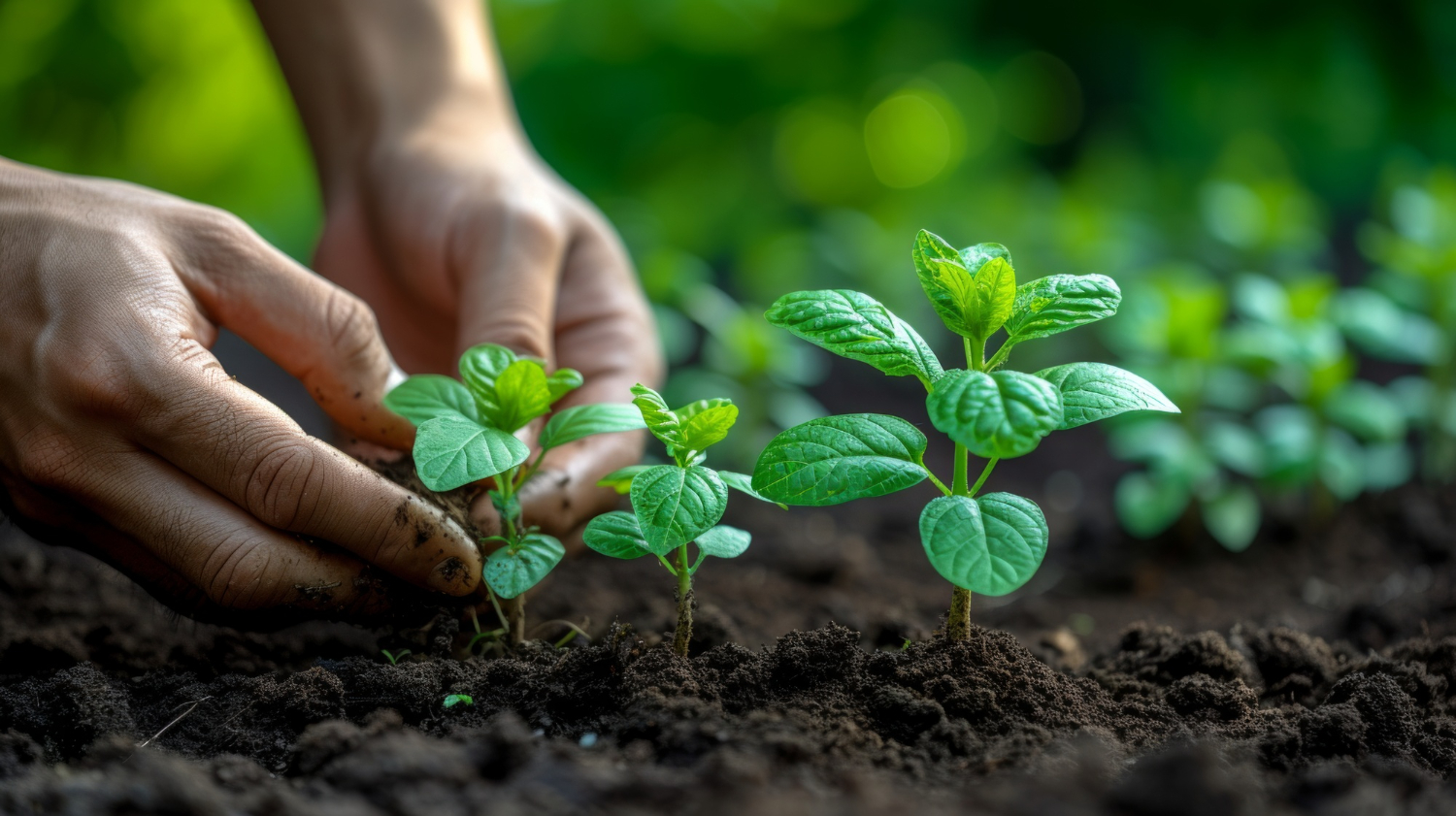
As global food demand continues to rise, farmers face the challenge of increasing crop yields without compromising the planet’s health. Sustainable farming practices not only promote environmental conservation but also ensure healthier crops and long-term productivity. By adopting the right strategies, agricultural professionals can strike the perfect balance between meeting demands and protecting natural resources.
This article dives into expert-recommended solutions to achieve sustainable crop growth. Whether you’re a seasoned farmer, a small agricultural business, or someone interested in innovative farming techniques, these solutions offer practical insights to improve your crop yields while prioritizing sustainability.
1. Rotate Crops to Improve Soil Health
Crop rotation is one of the oldest and most effective methods for maintaining soil fertility and biodiversity. It involves alternating crops in a field each growing season to combat pest infestations, reduce diseases, and rejuvenate the soil’s nutrient profile.
For example, rotating nitrogen-depleting crops like corn with legumes such as beans or lentils can naturally replenish the soil with nitrogen. According to research by the USDA, effective crop rotation can reduce the need for synthetic fertilizers by 20–30%.
Pro Tip: Plan your rotations well in advance, considering factors like crop type, soil needs, and water availability. Pair this technique with other organic practices for greater impact.
2. Optimize Water Usage With Precision Irrigation
Water is one of the most vital resources in agriculture, and optimizing its use is key to sustainable farming. Precision irrigation techniques, like drip irrigation or smart sprinklers, ensure that water reaches crops directly at the root level, significantly reducing wastage.
According to the World Resources Institute, precision irrigation systems can cut water consumption by up to 25%, all while boosting crop growth. For farmers working with bulk vegetable seeds, precision irrigation ensures each plant receives the necessary hydration for healthy sprouting and development.
Pro Tip: Use sensors and IoT devices to monitor soil moisture and automate irrigation systems to deliver just the right amount of water.
3. Adopt Organic Fertilizers and Compost
Synthetic fertilizers have long been associated with environmental damage, such as water pollution and soil degradation. Switching to organic fertilizers and compost not only enhances soil nutrients but also supports a thriving ecosystem of beneficial microbes and insects.
For instance, compost made from agricultural and kitchen waste acts as a natural soil enhancer, enriching it with organic matter. Studies show that farms using compost experience a 10–20% increase in crop resilience and productivity.
Pro Tip: Start a compost pile or invest in ready-made organic fertilizers that align with your specific crop needs for healthier and more sustainable yields.
4. Leverage Cover Crops for Off-Season Soil Protection
Cover crops like clover, rye, and alfalfa are planted during the off-season to prevent soil erosion, improve water retention, and suppress weed growth. By keeping the ground covered, they also reduce the risk of nutrient leaching, ensuring fertile soil for the following growing season.
The USDA estimates that farms utilizing cover crops can capture 50–60% more nitrogen in the soil compared to those that do not. This method is particularly beneficial for small farmers growing bulk vegetable seeds, as it allows for more nutrient-rich soil without increasing chemical dependency.
Pro Tip: Choose cover crops based on seasonal conditions and the specific needs of your farm. Mulching post-harvest can complement the benefits of cover crops.
5. Integrate Beneficial Pests and Pollinators
A robust ecosystem is essential for sustainable farming, and one way to achieve this is by encouraging beneficial pests and pollinators. Ladybugs, for example, feast on aphids that may damage crops, while bees significantly increase fruit and vegetable yields through pollination.
Farmers can create pollinator-friendly habitats by planting wildflowers near their crops or using floral cover crops. A recent study by Penn State University revealed that farms encouraging biodiversity experienced a 20% increase in crop yields due to healthier ecosystems.
Pro Tip: Avoid harmful pesticides to ensure that both helpful insects and pollinators can thrive in your fields. Look into integrated pest management strategies to address harmful pests effectively.
6. Invest in Soil Testing and Monitoring Tools
Understanding your soil’s condition is integral to sustainable crop growth. Soil testing and monitoring tools can provide valuable insights into pH levels, nutrient deficiencies, and overall health. These tests help farmers make informed decisions about fertilization, planting schedules, and irrigation.
For instance, portable soil testers or advanced lab analyses can provide data on nitrogen, phosphorus, and potassium levels. Such insights enable farmers to calibrate their input, reducing waste and ensuring the soil’s longevity.
Pro Tip: Conduct soil tests annually or biannually to keep track of changes and respond promptly with suitable interventions.
7. Prioritize Sustainable Seed Selection
The seeds you choose play a fundamental role in determining crop success and sustainability. High-quality, organic, non-GMO seeds are better suited to withstand environmental challenges and often require fewer chemical inputs.
Bulk vegetable seeds sourced from sustainable suppliers can ensure uniformity in crops while promoting eco-friendly farming practices. Seek seed suppliers who focus on locally-adapted varieties, as these are more likely to thrive in your region’s climate.
Pro Tip: Partner with seed companies that provide useful resources like germination guides and support throughout the planting process.
8. Utilize Technology and Data for Sustainable Decisions
Today’s farmers have access to cutting-edge technologies like AI, drones, and data-driven platforms that can revolutionize crop management. From real-time weather monitoring to predictive analytics for planting schedules, these tools enhance precision and minimize waste.
For example, drones can conduct aerial surveys of large fields, identifying areas that need pest control or irrigation adjustments. Similarly, apps for crop monitoring enable farmers to track progress and adapt quickly.
Pro Tip: Start small by adopting affordable tech tools and scale your usage as you gain confidence in their impact on your farm.
Conclusion
Achieving sustainable crop growth is no longer just an aspiration; it’s a necessity in the face of environmental change and increasing food demand. By implementing these expert-backed strategies, you’re not only enhancing your farm’s productivity but also contributing to a healthier planet.
If you’re ready to elevate your farming practices, make the first move by exploring high-quality bulk vegetable seeds that align with your sustainability goals. Together, we can nurture crops and a healthier future!