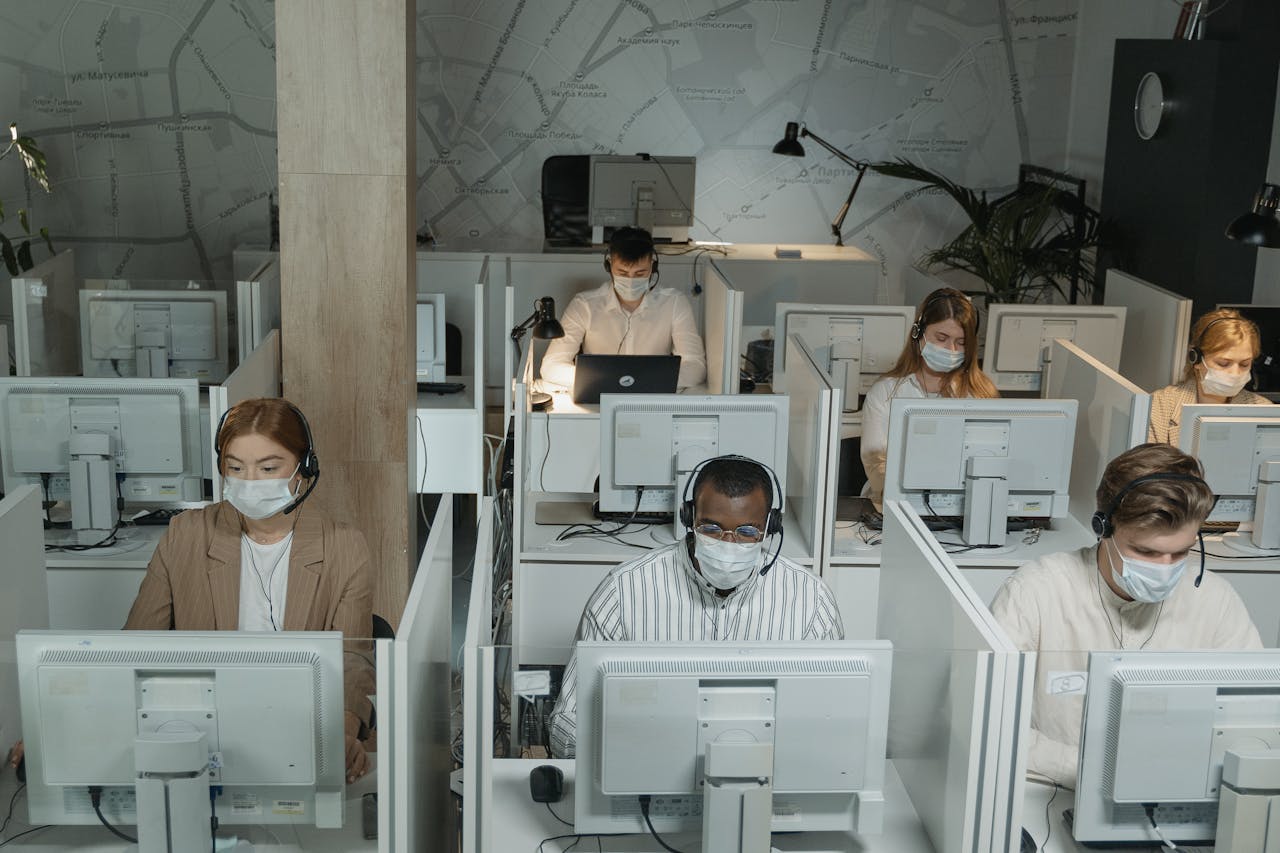
In the modern workplace, comfort is no longer a luxury—it’s a necessity. Employees spend a significant portion of their lives at work, and the physical environment plays a crucial role in productivity, well-being, and overall job satisfaction. Gone are the days of sterile cubicles and flickering fluorescent lights. Today’s forward-thinking companies are going beyond the cubicle, embracing office environments that prioritize comfort, collaboration, and creativity.
Why Comfort Matters
Comfort in the workplace is more than just having a cozy chair or a quiet space—it’s about designing an environment that supports both physical and psychological well-being. When employees feel comfortable, they’re more likely to stay focused, experience fewer health issues, and collaborate effectively. In contrast, discomfort can lead to stress, fatigue, and disengagement.
A comfortable office also enhances retention and recruitment. Job seekers today are drawn to companies that invest in employee experience, and a pleasant, well-designed workspace sends a clear message that the company values its people.
Elements of a Comfortable Office Environment
Creating a comfortable office isn’t about adding bean bags and coffee machines—it requires a thoughtful combination of elements that meet both practical and emotional needs. Here’s how to build comfort into your office design:
1. Ergonomic Furniture
Desks and chairs that support proper posture can significantly reduce the risk of back pain and repetitive strain injuries. Height-adjustable desks, lumbar-support chairs, and monitor stands can be customized to fit individual needs. Providing a range of furniture options—such as standing desks, lounge chairs, and collaborative tables—also allows employees to work in ways that suit their style.
2. Optimal Lighting
Natural light boosts mood, alertness, and vitamin D levels. Offices that feature large windows or skylights help create a more inviting and uplifting space. Where natural light isn’t possible, opt for full-spectrum LED lighting that mimics daylight. Avoid harsh overhead fluorescents, and provide task lighting where needed.
3. Temperature and Air Quality
Maintaining a comfortable indoor temperature and ensuring proper air circulation are crucial for a productive workspace—especially in warmer climates like Tempe, where reliable air conditioning is a must. Overly warm or drafty areas can lead to discomfort and distraction, while poor air quality may result in fatigue or even headaches.
To address these issues, invest in a high-quality HVAC system capable of handling local temperature extremes. Supplementing with air purifiers or incorporating green walls can further enhance air quality. Whenever possible, give employees some control over their personal comfort with options like desk fans or individual space heaters.
4. Acoustic Control
Noise is one of the biggest complaints in open-plan offices. While collaboration is important, excessive background noise can harm concentration. Solutions include acoustic panels, carpeting, sound-masking systems, and designated quiet zones. Providing a mix of open and enclosed spaces allows employees to choose the environment that suits their task.
5. Breakout and Wellness Spaces
Comfort includes the ability to recharge. Designate areas for breaks, relaxation, and informal interactions. These can include lounges, game rooms, meditation rooms, or outdoor patios. Encouraging breaks helps prevent burnout and promotes a healthier work-life balance.
6. Aesthetic Appeal
Color, design, and décor all influence how a space feels. Neutral tones with pops of color can create a soothing yet energizing atmosphere. Incorporating artwork, plants, and personal touches gives the office a warm, human feel. Avoid overly corporate or clinical designs in favor of spaces that feel welcoming and inspiring.
Involving Employees in the Process
One of the best ways to ensure comfort is to ask your employees what they need. Regular surveys, suggestion boxes, and open forums can provide valuable insight into what’s working—and what isn’t. When employees are part of the design conversation, they feel heard and valued, which further contributes to a positive work environment.
The Role of Flexibility
Comfort isn’t static—it changes depending on the task, the day, and the individual. That’s why flexibility is so important in office design. Create multipurpose spaces that can shift from quiet work zones to collaborative hubs. Offer hot-desking options for mobile teams, and ensure that furniture and equipment can be easily adjusted.
Hybrid and remote work trends also underscore the need for flexibility. Office spaces now serve as hubs for collaboration and creativity, rather than daily workstations. This shift makes comfort even more important—employees should feel like they’re returning to a space that enhances, not hinders, their work.
In Conclusion
Creating a comfortable office environment goes far beyond replacing cubicles with open spaces. It involves a holistic approach that considers ergonomics, environment, aesthetics, and culture. When employees feel comfortable, they’re more productive, engaged, and loyal. By investing in comfort, companies are not only improving day-to-day operations—they’re building a workplace where people want to be.
Comfort isn’t just about where you sit—it’s about how you feel. And when people feel good, great work follows.