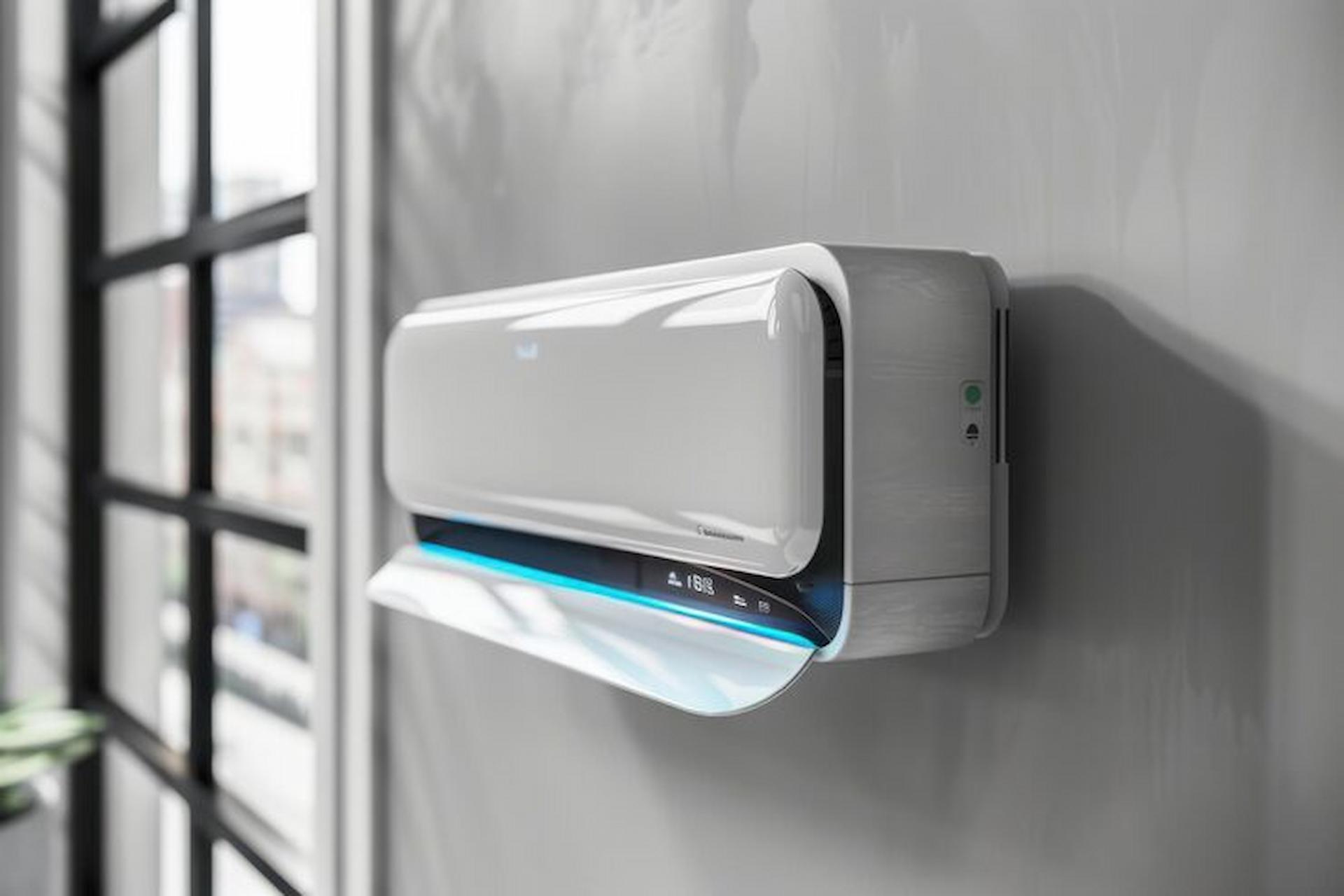
As temperatures begin to rise, your air conditioning system becomes essential for maintaining a comfortable indoor environment. However, it’s common for homeowners to overlook it until a fault occurs. Taking proactive steps early can help you avoid disruptions and ensure consistent cooling throughout the season.
A practical way to prevent problems is by following a vital AC maintenance checklist. This approach keeps your system operating efficiently, helps lower energy consumption, and minimizes the risk of unexpected repairs during periods of heavy use.
Why Early AC Preparation Matters
Air conditioning systems work hardest during the hottest months. Without proper maintenance, components can wear out faster, airflow may become restricted, and energy efficiency can drop significantly.
Preparing your AC system early offers several benefits:
- Improved cooling performance
- Lower electricity bills
- Reduced risk of mid-season breakdowns
- Extended system lifespan
Neglecting maintenance, on the other hand, often leads to poor cooling, higher costs, and unnecessary stress when temperatures rise.
Start with a Thorough Inspection
Before switching your system into full-time use, it’s important to check its overall condition. Even small issues can escalate if left unnoticed.
Look for:
- Unusual noises when the unit starts
- Weak or uneven airflow
- Signs of leaks or moisture around the system
- Dust or debris around vents and outdoor units
A careful inspection gives you a clear idea of whether your system is ready for the season or needs professional attention.
Clean or Replace Air Filters
Air filters play a crucial role in maintaining indoor air quality and system efficiency. Over time, they collect dust, pollen, and other particles, which can block airflow and force the system to work harder.
Replacing or cleaning filters regularly:
- Improves airflow
- Enhances indoor air quality
- Reduces strain on the system
This is one of the easiest yet most effective steps included in any vital AC maintenance checklist, and it should never be overlooked.
Check the Thermostat Settings
Your thermostat controls how efficiently your system operates. If it’s not calibrated properly, your AC may run longer than necessary or fail to maintain a consistent temperature.
Consider:
- Testing temperature accuracy
- Upgrading to a programmable or smart thermostat
- Setting energy-efficient cooling schedules
A well-configured thermostat can significantly reduce energy consumption without compromising comfort.
Keep the Outdoor Unit Clear
The outdoor condenser unit needs proper airflow to function effectively. Leaves, dirt, and debris can easily accumulate around it, restricting performance.
Make sure to:
- Clear at least a metre of space around the unit
- Remove leaves, grass clippings, and debris
- Gently clean the exterior fins if needed
Keeping the outdoor unit clean ensures better heat exchange and smoother operation.
Inspect Ductwork and Vents
Even a perfectly functioning AC unit can struggle if the ductwork is compromised. Leaks, blockages, or poorly sealed ducts can cause cool air to escape before reaching your living spaces.
Check for:
- Visible gaps or disconnected sections
- Dust build-up around vents
- Rooms that are consistently warmer than others
Addressing duct issues improves efficiency and ensures even cooling throughout your home.
Schedule Professional Maintenance
While basic checks can be done at home, a professional inspection provides a deeper level of care. Technicians can identify hidden issues, test system performance, and ensure all components are functioning correctly.
Professional servicing typically includes:
- Checking refrigerant levels
- Inspecting electrical components
- Cleaning internal parts
- Testing overall system efficiency
Including this step as part of your vital AC maintenance checklist can help prevent costly repairs later in the season.
Signs Your AC Needs Immediate Attention
Even with preparation, it’s important to recognise warning signs that indicate your system needs urgent care.
Watch out for:
- Warm air blowing from vents
- Frequent cycling on and off
- Unusual odours during operation
- Sudden spikes in energy bills
Ignoring these signs can lead to more serious problems and higher repair costs.
Simple Habits for Better Efficiency
Maintaining your AC system doesn’t stop after initial preparation. Small daily habits can help keep it running efficiently throughout the season.
Consider:
- Keeping doors and windows closed while the AC is running
- Using curtains or blinds to block direct sunlight
- Avoiding heat-generating appliances during peak hours
- Setting a moderate, consistent temperature
These habits reduce the workload on your system and improve overall performance.
Conclusion
Staying cool during the warmer months doesn’t have to come with high costs or unexpected breakdowns. With the right approach, you can keep your air conditioning system running smoothly and efficiently all season long.
By following a well-structured vital AC maintenance checklist, you not only protect your system but also create a more comfortable and energy-efficient home. A little preparation now can save time, money, and inconvenience later—making it one of the smartest steps any homeowner can take before the heat sets in.