Bringing attention to Suffield’s agriscience program’s guidance, hands-on learning, and new ideas.
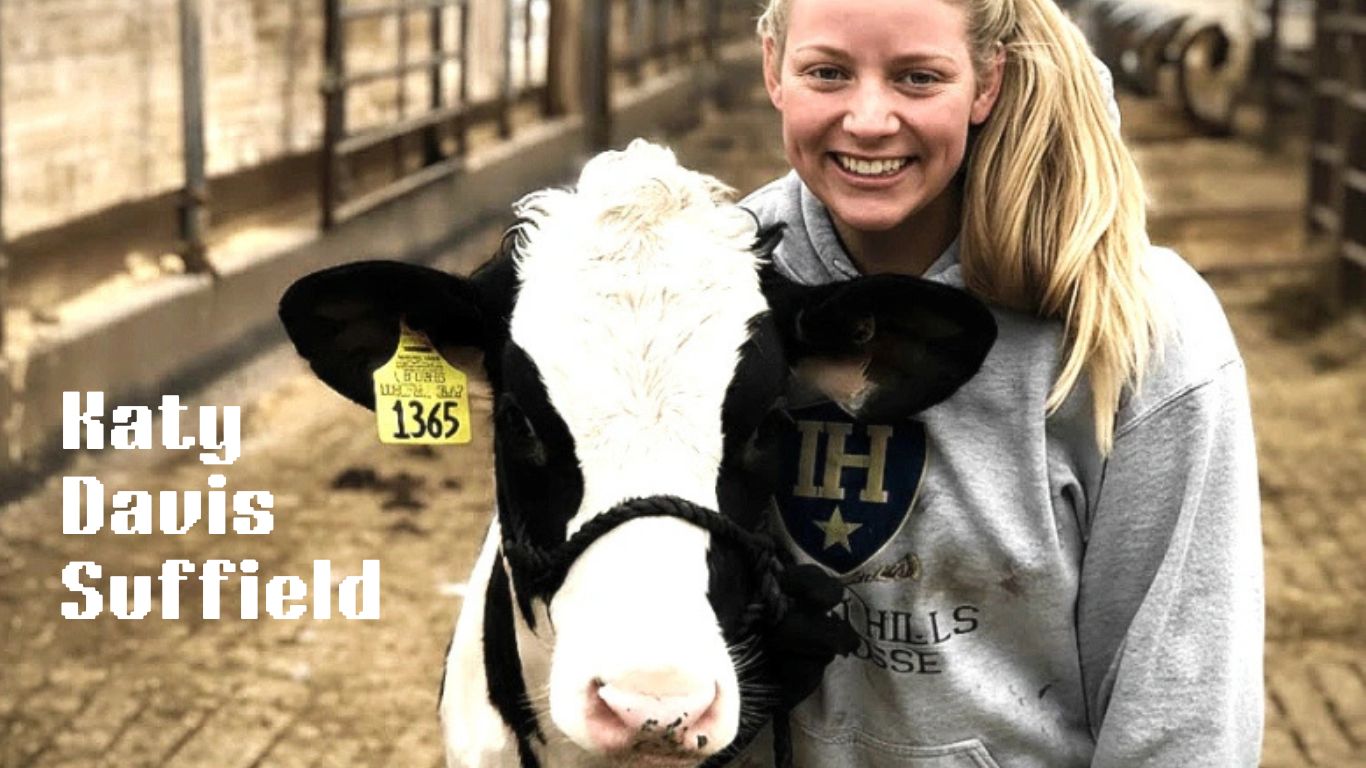
Katy Davis is an agriscience teacher who lives in Suffield, Connecticut, and works at Suffield High School’s Suffield Regional Agriscience Center. Davis graduated from the University of Connecticut with a degree in Agriculture and Natural Resources. He teaches both in the classroom and through hands-on activities in subjects such as animal science, plant science, and farm biotechnology. She has been a leader in 4-H, done social work for UConn Extension, and learned on working farms. Davis has a wide range of experiences, and she is committed to giving her students the skills and information they need for jobs and college in modern agriculture, sustainability, and environmental science.
A foundation built on farming
Central Connecticut is where Katy Davis grew up. This is a place where farming and rural scenery are still big parts of the society. She was interested in farming, science, and helping her community from a very young age. These were the interests that would later shape her academic and career path.
Being involved with youth farming groups when she was young helped her learn how to be a leader and help others. These important events not only helped her learn more about farming, but they also showed her how important education is as a link between scientific information and real-world use. This point of view still shapes her work as a teacher today.
Training in the classroom at the University of Connecticut
Davis went to college at the University of Connecticut and got a Bachelor of Science in Agriculture and Natural Resources from the College of Agriculture, Health, and Natural Resources. Her academic focus was on both classroom-based science and hands-on, intensive learning. This method would later shape the way she taught.
Working with UConn’s dairy stock all year was one of the most important parts of her college years. Davis was one of only a few kids chosen to be on the farm crew. He learned a lot about taking care of animals, managing livestock, and running a farm on a daily basis. Later, she talked about how important this hands-on setting was to her learning, stressing that doing things outside of school helped and increased her academic work.
Davis said she wanted to get a master’s degree in agricultural education after she finished her undergraduate degree. This showed that she was committed to teaching and developing coursework in the agriscience field for a long time.
4-H helps kids become better leaders.
Davis stayed involved in 4-H while she was finishing school. 4-H is a nationally known group for youth development that focuses on teaching leadership, farming, and life skills. One of the most important things she did as a result of her work was being chosen as one of only twelve Connecticut college 4-H students to attend a National Agriculture Day leadership training in Washington, D.C.
This rare chance gave Davis a chance to learn about agricultural policy, advocacy techniques, and how to become a better leader at the national level. Also, it made her want to do more to help farmers and teach outside of school even more. She did very well in school and was able to represent farm education on a larger level by participating in this program.
Early Help with Public and Extension Education
Davis also worked with UConn Extension to improve farm communication in addition to her classes and leadership roles. In 2017, she wrote outreach materials about being ready for emergencies. These gave families and agricultural communities in Connecticut useful information and public health tools.
Davis was able to turn technical information into text that was easy for the community to understand through this early extension work. It also brought to light a theme that ran through her whole career: she believed that education should go beyond formal classrooms and help the general good.
Change from moving to Suffield, Connecticut to teaching
Katy Davis went from college to teaching high school by joining the agriscience staff in Suffield, Connecticut, after finishing her studies. Records from the school system show that she is an agriculture teacher at the Suffield Regional Agriscience Center. There, she oversees student projects and teaches high school-level agricultural science classes.
Davis works with kids from several school districts as part of this regional program. He helps them look into academic and career paths in fields like agriculture, biotechnology, animal science, and environmental studies. Because agriscience education is so practical, her job includes both teaching in the classroom and supervising students in the field.
Philosophy of Teaching and Classroom Focus
Davis’s way of teaching is based on how she was taught, especially her believe in learning by doing. She stresses understanding science in the classroom and encourages students to put what they’ve learned into practice through labs, research, and project-based learning.
In her classes, she usually covers:
- Basics of plant and animal science
- Agricultural structures and long-term viability
- Biotechnology and new tools for farming
- Looking into jobs in natural resources and food systems
She also encourages kids to join Future Farmers of America (FFA), which helps them learn technical, leadership, and communication skills while they are in school. Students can compete, make connections, and work on agricultural projects that help others through FFA events.
Creating new programs to open up more opportunities
Katy Davis does more than just teach every day; she also works to make the Suffield agriscience school more educational. Official meeting records from the Suffield Board of Education show that she helped plan programs and work on education projects.
In June 2025, board minutes showed that Davis planned and gave the lessons for a student field trip to Iceland that focused on agriculture. During the meeting, she talked about how the trip would connect geology, green energy, and agricultural systems to real-world applications. This showed that she could connect global learning experiences with local curriculum goals.
Willingness to do advanced and early college work
Davis has also helped improve the program by getting ready to teach a Plant Breeding and Biotechnology course for the University of Connecticut Early College Experience. From late 2024, records from the curriculum group show that this certification would let students at Suffield earn college credit while they were still in high school.
Davis’s approach to education is forward-looking. He believes in academic rigor, early exposure to advanced topics, and smooth transitions between secondary and postsecondary learning settings.
Working together and getting help
Davis works closely with other teachers in the Suffield agriscience program to make sure that students get a well-rounded education. She helps guide students, oversees research, and takes part in learning chances away from the school, such as field trips across the country and across the region.
As a chaperone and academic guide on trips to places like Washington, D.C., she shows that she cares about her students’ growth in areas other than the classroom. Agriscience, public policy, research institutions, and career networks can all be linked to these activities for students.
More of an effect on teaching agriculture
All of Katy Davis’s work together shows how the job of agriscience teachers is changing in today’s schools. She is part of a group of teachers who use science knowledge, real-world experience, and involvement in the community to get students ready for tough problems in areas like food systems, sustainability, and environmental care.
Her work helps make sure that agriscience stays an active and respected field of study that gives students both information and a sense of purpose.
In conclusion
Katy Davis’s career path from Suffield, CT shows how important dedicated teachers are for creating learning conditions that are focused on the future. Davis has always stressed the importance of hands-on learning, developing leadership skills, and doing well in school, from her time as an undergraduate at the University of Connecticut to her present job as an agriscience teacher and program leader.
She keeps improving agriscience education in Connecticut by teaching in the classroom, coming up with new lessons, and being a guide to other students. Her work helps the kids she teaches now and will continue to help agricultural education and community involvement in the area for a long time.